Installing a Top Mount Sink on granite countertops is a common solution in residential kitchens, rental properties, and commercial projects where durability, serviceability, and installation efficiency are priorities. Granite is strong but brittle, so a successful installation depends on precision rather than force. The sink must sit flat, the rim must be evenly supported, and the seal must remain stable under daily thermal change, vibration, and cleaning routines.
Rocky top mount sinks are engineered to work reliably with stone countertops, offering consistent rim geometry and mounting compatibility for granite installations. For available models and specifications, refer to: Top Mount Sink
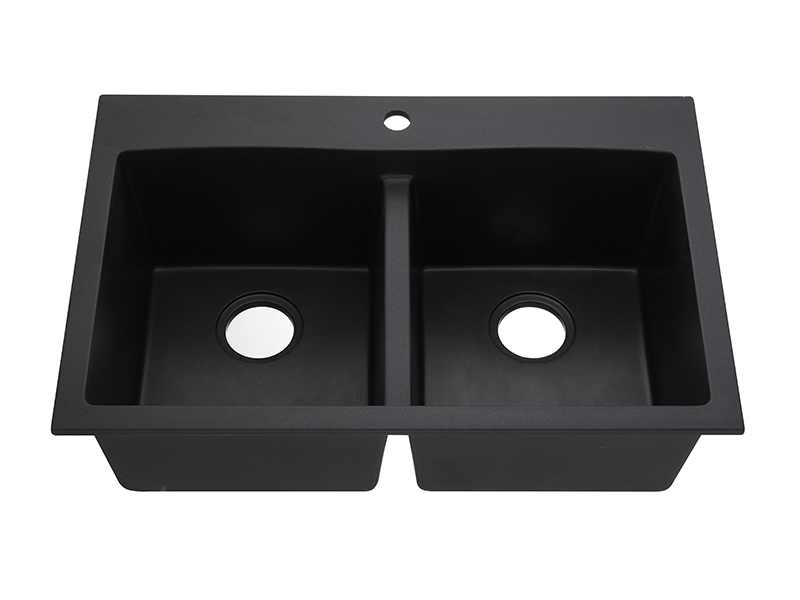
Before installation begins, confirm that the sink design is suitable for granite. Not all sinks are equally compatible with stone surfaces, especially when rim thickness or mounting clip geometry is inconsistent.
Key compatibility checks include:
Rim width sufficient to rest securely on granite without concentrating stress
Flat rim underside to ensure uniform sealant compression
Mounting clip system compatible with stone thickness
Sink depth and drain position aligned with cabinet and plumbing layout
A dry-fit check is essential. Place the sink into the cutout without sealant and confirm that it drops in freely, sits flat, and does not rock. Any instability at this stage must be corrected before moving forward.
Granite cutouts are typically completed by the fabricator, but they still require inspection and preparation before sink installation. Granite edges cannot be adjusted casually on site, so confirming accuracy at this stage prevents costly damage.
Preparation steps include:
Verifying the cutout size matches the sink bowl opening, allowing the rim to fully overlap
Inspecting the cutout edge for chips or uneven sections that could prevent full rim contact
Cleaning the granite surface to remove stone dust, polishing residue, and moisture
Checking cabinet top alignment to ensure the countertop is properly supported underneath
The cutout edge should be smooth and clean. Contaminants left on the granite can reduce sealant adhesion and cause early seal failure, even if the sink appears properly installed.
Sealant selection is critical for granite countertops because the surface is non-porous and rigid. The sealant must bond well to stone while remaining flexible over time.
Best practices for sealant application:
Clean and dry both the granite seating area and the underside of the sink rim
Apply a continuous bead around the cutout, positioned to compress inward rather than squeeze outward
Use a bead size that allows full compression without excessive overflow
Avoid gaps or breaks in the sealant line, especially near corners
The sealant acts as both a water barrier and a vibration buffer. Uneven or insufficient application can allow water intrusion into the cabinet and weaken long-term stability.
Lower the sink into the cutout carefully and avoid sliding it across the granite surface. Once seated, confirm the rim is centered and evenly supported around the entire perimeter.
When securing mounting clips:
Tighten clips gradually and evenly using a cross-pattern sequence
Avoid over-tightening, which can stress granite edges or deform the sink rim
Recheck sink level during tightening to ensure even seating
Confirm all clips engage properly with the underside of the granite
The goal is consistent downward pressure, not maximum force. Granite should support the sink rim naturally, while clips maintain compression during sealant curing.
After the sink is secured, connect the drain assembly and any accessories. Granite installations often involve garbage disposals or heavy strainers, which add load and torque if not aligned correctly.
Plumbing verification steps:
Ensure the drain lines up naturally with the sink outlet
Avoid forcing fittings into position, which can pull the sink off center
Check cabinet clearance for disposals and traps
Tighten connections without transferring stress to the sink body
Once connected, perform a controlled leak test. Fill the sink partially, observe the rim and drain area, then drain and inspect all joints. Any movement or seepage should be corrected before regular use.
Sealant curing time is often overlooked but directly affects installation durability. The sink should not be exposed to heavy water use or cleaning until the sealant has cured fully.
Final checks include:
Confirming the rim sits flush with no visible gaps
Inspecting the sealant line for continuity and clean finish
Verifying the sink does not shift under hand pressure
Ensuring water drains evenly without pooling
A clean finish not only improves appearance but also reduces dirt buildup and simplifies long-term maintenance.
Rocky top mount sinks are designed to support repeatable, professional granite installations across different kitchen layouts and project scales. For product options, refer to: Top Mount Sink
Installing a top mount sink on granite countertops requires careful coordination between cutout accuracy, sealant application, balanced clamping, and proper plumbing alignment. The most reliable results come from dry-fitting the sink, ensuring full rim support, applying a continuous sealant bead, tightening clips evenly, and allowing adequate curing time before use. When these steps are followed, the sink remains stable, the granite edges stay protected, and the installation performs well over time.
If you have questions about granite cutout sizing, sealant selection, mounting clip placement, or sink compatibility, you can consult Rocky for guidance. Share your countertop material, cabinet dimensions, and sink model requirements, and we will help you select the right top mount sink and provide installation support for your project.

 Mobile Phone:
 Contact Now