A 36 inch sink base cabinet is one of the most common layouts in kitchen projects, and it is also where apron-front sink sizing is most often misunderstood. The cabinet dimension is usually nominal, meaning it describes the outside width of the cabinet box, not the usable interior opening. apron-front sinks are installed into a framed opening and supported from below, so the correct sink size must match the cabinet’s true inside width, the chosen reveal style, and the support method. In most standard installations, a 33 inch apron-front sink is the most reliable fit for a 36 inch cabinet, while 34 inch models can work when cabinet tolerances and installation details are tightly controlled.
For model options and configurations, refer to our apron-front sink collection: Apron Front Sink
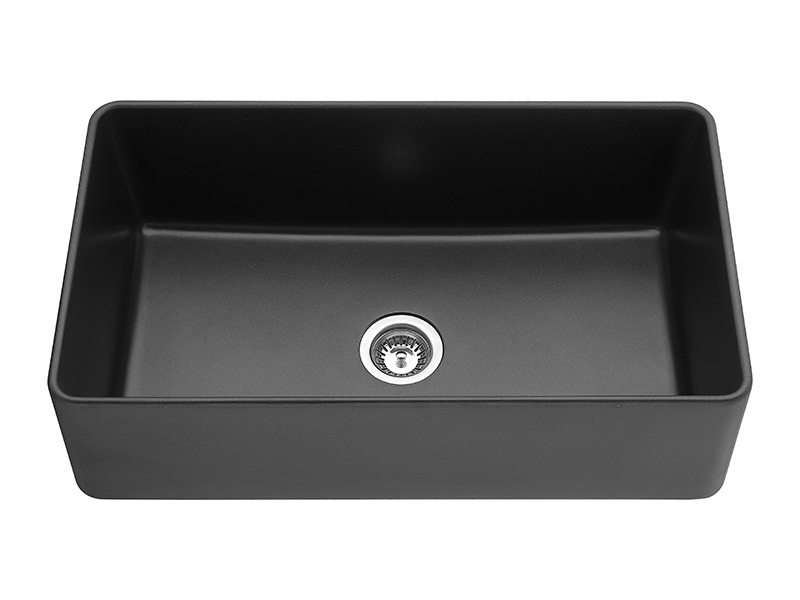
The safest way to size an apron-front sink is to work from the cabinet’s internal opening rather than the cabinet label. A cabinet called 36 inches wide often has side panels that reduce interior width, plus face-frame elements or braces that further reduce the usable front opening. Because apron-front sinks must slide into the cabinet opening and align at the front, the sink body needs clearance at both sides for installation tolerance and for long-term serviceability.
That is why the most common sizing rule for a 36 inch cabinet is to choose an apron sink around 33 inches wide. This size typically provides a workable buffer so the sink can be positioned accurately without forcing cabinet modifications. It also helps standardize installation when the same sink must fit multiple cabinet brands or different job sites in a project rollout. A 34 inch sink may fit, but it reduces margin and increases dependence on cabinet build accuracy, especially for face-frame cabinets where the front opening is more constrained.
For multi-unit programs, a size that installs consistently is often more valuable than gaining one extra inch of bowl width, because installation variance can create rework risk and visible alignment issues at the apron.
Before selecting the sink width for a 36 inch cabinet, the most important step is verifying the cabinet’s real dimensions and the intended installation method. These confirmations prevent field modifications that can delay installation or compromise final appearance.
The key measurements include cabinet internal width, which is the inside-to-inside distance between the cabinet side panels. This is the true maximum width for the sink body. Cabinet internal depth also matters, because the sink bowl and drain position must clear the back panel and plumbing zone without forcing the sink too far forward. The cabinet construction style affects the available opening. Frameless cabinets generally provide a larger interior opening, while face-frame cabinets reduce the functional opening and require more precision at the front cutout.
You also need to define the apron reveal, which describes how the apron front sits relative to the cabinet face. A flush or proud reveal changes the cut line and the way the sink seats. Finally, the support method must be planned. apron-front sinks require a platform, rails, or brackets to carry the sink load. Support design impacts both installation clearance and long-term stability.
Cabinet-to-sink fit checklist
| Item To Confirm | What To Measure Or Define | Why It Controls Sink Size |
|---|---|---|
| Internal Cabinet Width | Inside-to-inside cabinet sides | Sets the maximum sink body width |
| Front Opening Type | Frameless or face-frame | Changes usable front clearance |
| Internal Cabinet Depth | Clear depth behind sink | Prevents back panel and plumbing interference |
| Apron Reveal Style | Flush, proud, or recessed | Determines cabinet cutout position |
| Support Method | Platform or rail layout | Affects clearance and alignment stability |
For procurement teams, collecting these values as a standardized template helps prevent size mismatches when sourcing for different cabinet suppliers.
For a 36 inch cabinet, 33 inches is the most commonly specified apron sink width because it balances capacity with installation tolerance. It typically allows enough side clearance to place the sink square, align the apron cleanly, and maintain predictable fit across cabinet variation. This makes it the most practical size for project standardization, especially when multiple installers and multiple cabinet suppliers are involved.
A 34 inch apron sink can be a strong option when the cabinet internal width is confirmed to be generous and the project controls cabinet tolerances tightly. This choice can deliver a slightly larger bowl footprint, but it increases dependence on exact cabinet build dimensions and the sink’s rim geometry. Small differences in cabinet side thickness, face-frame design, or installation reveal can determine whether 34 inches is a smooth fit or a forced modification.
A true 36 inch wide apron sink is rarely compatible with a nominal 36 inch cabinet unless the cabinet is specifically designed for that sink size. In most cases, a larger sink requires a larger cabinet base to preserve installation clearance and avoid side interference.
Sizing overview for a 36 inch cabinet
| Sink Width Option | Typical Fit Outcome | Best Use Case |
|---|---|---|
| 33 inch | Most reliable fit | Standard 36 inch cabinets across brands |
| 34 inch | Fit depends on cabinet tolerance | Controlled cabinetry and repeatable build standards |
| 36 inch | Often requires a larger cabinet | Sink-specific cabinet designs and custom builds |
If the goal is repeatable installation success across multiple kitchens, 33 inches is usually the best default specification.
Apron-front sink sizing is not only about width. Installation details determine whether the apron sits cleanly and whether the sink remains stable over years of use. A well-sized sink can still look wrong if the reveal is inconsistent or the support platform is not level.
Support structure must be built to carry the sink weight evenly. If the platform or rails are not level, the sink can twist slightly, which affects countertop fit and drain alignment. The cabinet cutout must be square and clean, because apron-front sinks are visually exposed at the front. Alignment tolerance is also affected by countertop overhang choices and whether the sink is installed with the bowl slightly forward or slightly back. Drain position planning is important for plumbing clearance, especially when deeper bowls are specified.
Rocky apron-front sinks are offered with configurations that support common cabinet programs and installation approaches, making it easier to match sink geometry with cabinet openings and countertop plans. For model options and configurations, refer to: Apron Front Sink
For a 36 inch cabinet, a 33 inch apron-front sink is typically the best-fit choice because it provides practical side clearance and installation tolerance while still delivering strong bowl capacity. A 34 inch sink can work when cabinet internal width and build consistency are confirmed, but it carries higher installation risk if cabinet tolerances vary. A true 36 inch apron sink usually requires a larger cabinet or a sink-specific cabinet design. The correct selection comes from measuring the cabinet internal opening, defining the apron reveal, and planning a stable support structure.
If you are specifying apron-front sinks for a project, showroom program, or multi-unit rollout, send Rocky your cabinet internal width, target reveal style, countertop plan, and expected quantity. We will recommend the best-fit apron sink size and configuration from our range and provide a quotation for your inquiry.

 Mobile Phone:
 Contact Now