Quartz sinks are chosen for their solid feel, modern texture, and strong everyday durability. In real kitchens, however, the appearance of a quartz sink depends heavily on how it is cleaned. Water minerals can leave haze, food oils can create dull areas, and strong chemicals used incorrectly can weaken the surface finish over time. A correct cleaning method keeps the sink looking uniform while protecting the material, especially in high-usage environments.
At Rocky, we design quartz sinks for practical maintenance and long service life, with consistent surface texture and stable color options that fit different kitchen styles. For available models and configurations, refer to our sink range: Quartz Sink Products
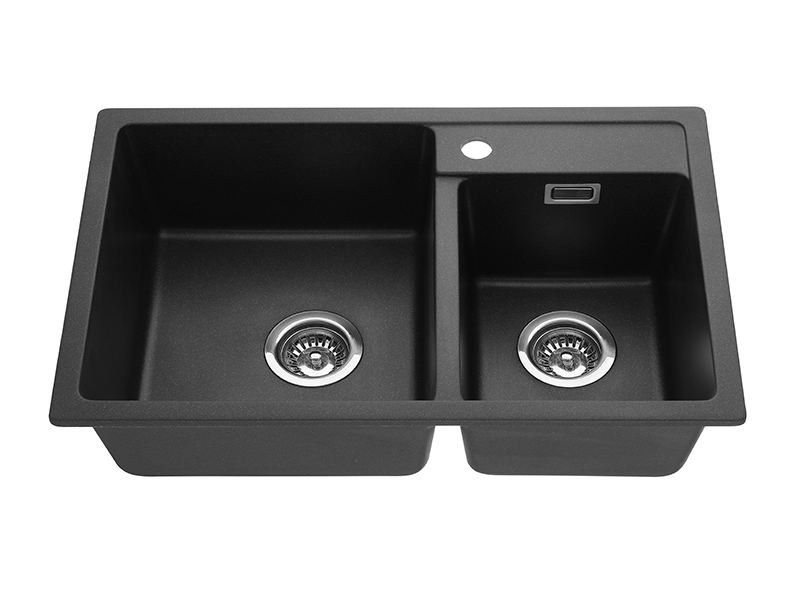
A quartz sink surface is engineered to be dense and hard, but daily residues can still attach to it. Most appearance issues are not permanent stains at the beginning. They are surface deposits that build up gradually if cleaning is inconsistent.
The most common sources include mineral deposits from hard water, which show up as white haze or rings, and grease films from cooking oils, which reduce surface brightness and make the sink look uneven. Tea, coffee, wine, and colored sauces can leave pigment traces if they remain in contact too long, especially near the drain area where water sits. In addition, metal marks from cookware can create gray scuffs that look like stains but are often transfer marks.
Understanding whether the issue is a deposit, a transfer mark, or true pigment absorption helps you choose the correct cleaning step without overusing harsh products.
Daily cleaning is the highest-impact step because it prevents residues from curing onto the surface. For most kitchens, a simple routine is enough when done consistently.
After use, rinse the sink with warm water to remove loose debris. Apply a mild dish detergent with a soft sponge or microfiber cloth, focusing on the bottom corners and around the drain where residue concentrates. Rinse thoroughly, then wipe the sink dry. Drying matters because it prevents mineral spots from hard water and helps maintain a uniform matte or satin look.
If the sink is used in frequent service conditions, a short end-of-day wipe-down reduces film buildup and keeps color tone consistent across the basin.
When haze or dull zones appear, a deeper clean is needed. The goal is to break down deposits without scratching the surface.
For mineral haze and limescale, use a gentle descaling approach with a non-abrasive cleaner. Apply the product evenly, allow a short dwell time, then wipe and rinse. For grease film that causes uneven sheen, use a degreasing step that is safe for quartz surfaces, then rinse and dry. For metal transfer marks, use a non-scratch cream cleaner and gentle pressure with a soft cloth, working in small areas rather than aggressive scrubbing.
Deep-clean frequency depends on water hardness and usage intensity. In hard water regions, weekly maintenance often prevents long-term haze.
Cleaning problem guide
| Issue Appearance | Likely Cause | Recommended Action |
|---|---|---|
| White haze or rings | Hard water mineral deposits | Gentle descaling, then dry |
| Dull patches | Oil and soap film buildup | Mild degreasing, full rinse |
| Gray scuff marks | Metal transfer from cookware | Non-scratch cream cleaner |
| Local dark staining | Pigment residue from food/drinks | Prompt cleaning, then targeted deep clean |
Avoid steel wool and aggressive abrasive pads. They can permanently change surface texture and create zones that attract residue more quickly.
Quartz sinks are durable, but the finish can be damaged by incorrect chemical exposure or thermal shock habits. Protection is easier than restoration.
Avoid prolonged contact with strong oxidizers or highly concentrated cleaners, especially if they are left to sit. Avoid mixing chemical cleaners, as this can create unsafe reactions and unnecessary surface stress. Do not pour boiling water directly into an empty sink without running cold water, because rapid temperature swings can stress the basin. Use sink grids or protective mats when heavy cookware is frequently placed in the bowl to reduce impact and surface abrasion.
For long-term appearance, the simplest protection practice is drying after cleaning and removing standing water near the drain. This reduces mineral deposition and keeps the surface tone uniform.
Rocky supports customers who need quartz sink models that stay consistent in color, texture, and specification across repeated orders. We provide options in size, bowl configuration, and installation type to match different kitchen designs while keeping maintenance practical for end users.
For private label programs, we support customization in color direction, surface texture preference, and packaging requirements, helping importers and project teams standardize sink selection across multiple units. For procurement planning in a bulk order cycle, consistent production control reduces variation in appearance and fit, improving installation efficiency and reducing after-service risk.
For available models and configurations, refer to: Quartz Sink Products
Cleaning a quartz sink is most effective when it focuses on deposit prevention and gentle removal. A daily routine of mild detergent, thorough rinsing, and drying prevents most haze and film buildup. When deeper cleaning is needed, treat mineral deposits, grease film, and metal transfer marks with non-abrasive methods to protect surface texture and maintain a uniform appearance.
If you are selecting quartz sinks for a project rollout or planning a wholesale purchase with specific size and color requirements, Rocky can support model selection and customization based on your market needs. Share your target sink configuration, preferred finish, and quantity range, and we will recommend suitable options and provide a quotation for your inquiry.

 Mobile Phone:
 Contact Now