Quartz sinks often look similar in photos. Many are white, black, or gray, and many share popular bowl shapes. Yet in the market, the price difference can be surprisingly large. Some quartz sinks are positioned as entry-level options for basic remodeling, while others are priced closer to premium kitchen fixtures. The gap is not random. It usually reflects differences in raw material formulation, production control, finishing quality, mold and tooling investment, inspection standards, and even how a sink is packaged and shipped.
This article explains why quartz sinks can vary so much in price, what factors matter most for real kitchen performance, and how to evaluate value beyond appearance. It also shows how ROCKY’s quartz sink ranges across installation styles can help match budget to use case without sacrificing core performance.
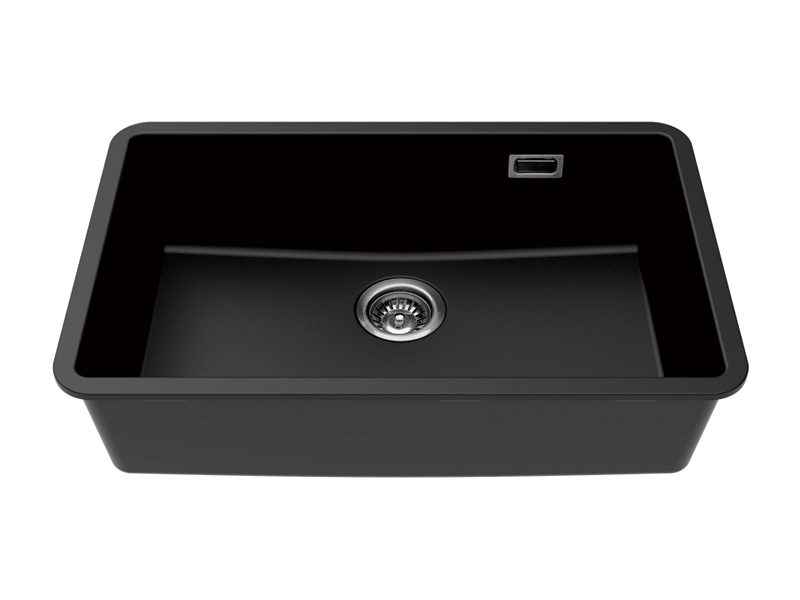
Many buyers assume a sink price is mainly determined by the external dimensions. Size does matter, but it is not the main reason you see large price gaps. In quartz sinks, cost is often driven by what you cannot easily see in a listing photo:
The internal structure of the composite material
The stability of color and surface finish from batch to batch
The precision of the bowl geometry and the quality of the mold surface
The consistency of curing and finishing that determines long-term look
The rejection rate and quality-control process during production
A cheaper sink can still look good on day one. The real difference often shows up after months of use, when staining, water marks, impact wear, or surface dullness reveals how stable the material and finishing really are.
Quartz sinks are typically made from a composite, not a natural block. The formulation directly affects performance and cost.
Key formulation drivers behind price differences:
Quartz particle quality and grading Higher-quality quartz particles with controlled size distribution help produce consistent density and surface feel. Poorly graded particles can lead to uneven texture, weaker edges, or micro-voids that trap residue.
Binder type and stability The binder system affects resistance to discoloration, long-term surface stability, and how well the sink handles repeated temperature changes. Binder quality is not visible in photos, but it strongly influences long-term appearance.
Pigments and UV stability White and light colors need stable pigment systems to avoid tone shifting. Better pigment control typically costs more but helps maintain consistent whiteness and reduces batch variation.
Reinforcement and performance additives Some formulations include additives to improve impact resistance, reduce micro-porosity, and improve stain release. These improvements raise material cost but can reduce warranty issues and customer complaints.
In short, two sinks can have the same color name and similar dimensions but behave differently because the material recipe and raw material control are different.
Quartz sink manufacturing is not only mixing and molding. The process needs consistent compaction, controlled curing, and stable finishing. This is where a major part of the price gap comes from.
Better process control produces higher and more uniform density. Uniform density reduces weak points at edges and corners, supports more consistent sound dampening, and improves long-term stability. Lower-density areas can be more prone to absorbing residue films and showing discoloration, especially around high-use zones such as the drain area and rear corners.
Curing is where the composite becomes stable. If curing is inconsistent, the sink can show uneven surface behavior, tone variation, or localized changes in feel over time. More controlled curing typically requires better equipment, more stable production conditions, and stricter process monitoring.
Factories with strict quality targets reject more pieces that do not meet standards. That increases production cost but improves the average quality reaching the market. Lower-priced products often tolerate wider variation and lower rejection rates, which is part of how cost is reduced.
When a brand positions itself for consistent quality across shipments, the manufacturing discipline behind that consistency becomes part of the price.
Molds and tooling investment matter more than most buyers expect. A sink with sharp, clean geometry, smooth transitions, and stable tolerances requires higher mold precision and better surface finishing.
Design and tooling factors that affect price:
Corner radius and bowl geometry accuracy Sharp modern corners are popular, but they require precise mold surfaces and careful finishing. Poor geometry control can create corners that hold residue, show uneven texture, or feel inconsistent across units.
Wall thickness consistency A sink with consistent thickness feels more solid and performs more predictably. Thickness variation can cause weight imbalance, weaker zones, and different sound behavior.
Drain location and flatness control The drain zone must be stable and flat for proper sealing. Better tooling and inspection reduce issues such as uneven drain seating.
Rim design for top-mount and undermount Rim flatness matters for sealing. A rim that is not consistent can create water traps, silicone gaps, and long-term grime lines. Precision in this area costs money because it depends on mold quality and post-processing control.
These details are often what separates entry-level sinks from premium-positioned sinks, even when the overall shape looks similar in online images.
Surface finishing is one of the biggest pricing drivers because it directly affects daily user experience.
A well-finished quartz sink tends to:
Release grease film and pigment residue more easily
Show fewer “shadow stains” after heavy cooking use
Maintain a consistent matte or satin look rather than developing patchy dull areas
Feel smoother to the touch without becoming slippery
A lower-finished surface may:
Hold onto soap film and hard-water deposits more easily
Show darker water marks or lighter dry zones more clearly
Require more scrubbing to look clean, increasing wear over time
Finishing is not only aesthetic. It affects how much cleaning effort the sink needs for the same household routine. That difference becomes obvious after months of use.
Quartz sinks come in different installation styles, and each style adds cost in different ways. Packaging also affects price because quartz sinks are heavy and can be damaged in transit if protection is not sufficient.
top-mount sinks Top-mount designs include a rim that must be flat and consistent for sealing and appearance. The rim is also part of what hides the countertop cutout, so rim quality matters. If you are comparing this style, a top mount sink is often evaluated on rim precision, surface finish, and corner cleanup behavior rather than on bowl size alone.
Undermount Sinks undermount sinks rely heavily on edge quality and consistent flange geometry because the seam line is visible and must stay clean. Small geometry differences can affect silicone line appearance and long-term cleanliness. If you prefer this style, an undermount sink should be evaluated for edge finish, mounting stability, and how easily the rim area wipes clean.
apron-front sinks Apron-front sinks require more complex shaping and more critical dimensional stability because the front panel becomes part of the kitchen design. Any texture inconsistency or color shift is more visible. If you like this statement look, an apron front sink tends to be priced with heavier emphasis on finishing consistency and structural stability.
Quartz sinks are dense and heavy. Packaging design, internal supports, edge protection, and carton strength all influence damage rate during shipping. Better packaging costs more but reduces risk of chipped corners and surface scuffs, especially for large sinks and apron-front styles.
If a supplier maintains a low damage rate for export shipments, that reliability is often reflected in cost.
The price gap in quartz sinks exists because not all quartz sinks are built to the same standard. Differences in quartz particle grading, binder stability, pigment control, density consistency, curing discipline, mold precision, and surface finishing create real performance differences that show up over time. Installation style and packaging protection also contribute because they affect rim precision requirements and shipping risk.
ROCKY focuses on quartz sink solutions across multiple installation styles, which helps buyers match budget, layout, and finish expectations while maintaining a consistent design direction across a product line. To choose the right quartz sink value level, match the sink not only to your countertop size but also to your kitchen habits and your tolerance for maintenance effort. When you evaluate finish behavior, geometry stability, and quality consistency, the pricing differences become easier to understand. And when you select from a supplier offering multiple installation styles, you can choose a top-mount, undermount, or apron-front configuration that fits both the kitchen layout and the level of performance you expect.

 Mobile Phone:
 Contact Now