Quartz is a familiar word in kitchens, bathrooms, and building materials, but it can mean two very different things depending on where you see it. Some buyers hear quartz and think of natural quartz stone, while others are referring to quartz composite, the engineered material widely used for countertops and quartz composite sinks. If you are comparing durability, stain resistance, heat behavior, color consistency, or maintenance effort, understanding this difference is essential.
This article explains composite quartz versus natural quartz in a practical, buyer-friendly way, with a clear focus on how these materials behave in real kitchens. It also explains why quartz composite is commonly chosen for sink manufacturing, and how to select the right quartz sink installation style for your space.
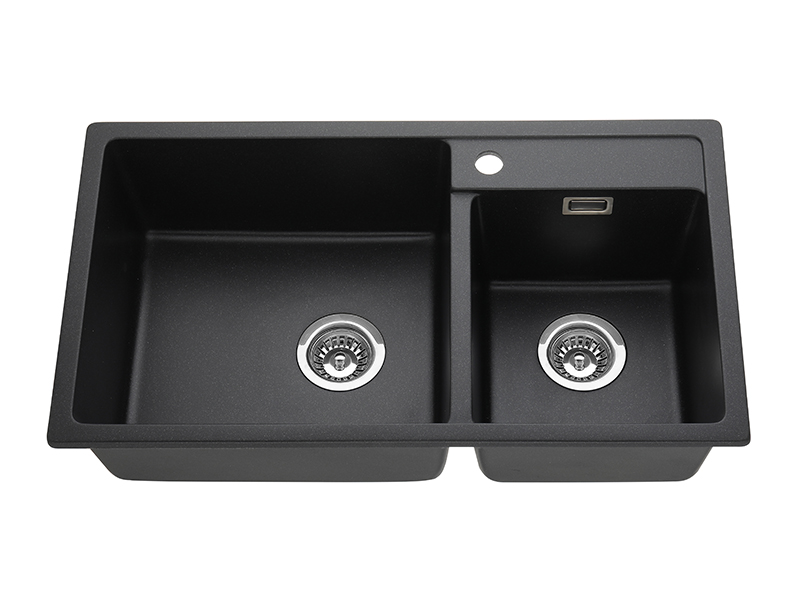
Natural quartz is a mineral found in nature. It is one of the most common minerals in the Earth’s crust, and it appears in many rocks. When people say natural quartz in building materials, they may be referring to quartz-rich natural stone, or to natural stone products that contain quartz. Natural quartz itself is very hard, but it is not commonly used as a solid, single-mineral kitchen sink because it is typically found as part of larger rock structures rather than as a single block suitable for shaping at scale.
Composite quartz, often called engineered quartz, is a manufactured material made by combining a high percentage of quartz particles with binders and pigments. The exact recipe varies by manufacturer and product line, but the core concept is consistent: quartz provides hardness and wear resistance, while the binder system provides formability, stability, and the ability to create consistent shapes and colors.
A key takeaway is that composite quartz is designed to be shaped, standardized, and repeated. That is why you see it in mass-produced sinks and slabs, while natural quartz is more often discussed as a mineral component of natural stone.
The way a material is made influences not only cost and appearance, but also how it behaves under daily kitchen conditions.
Natural quartz and quartz-rich natural stone are formed through geological processes over long time periods. The final stone can vary from quarry to quarry, and even within the same block. That variation can be beautiful, but it also means properties like color tone, pattern distribution, and internal microstructure may differ across pieces.
Composite quartz is produced through a controlled manufacturing process. Quartz particles are selected by size distribution, then mixed with binders and pigments, then compacted and cured. This controlled process matters for end users because it helps deliver:
More consistent color from unit to unit
Repeatable surface feel and texture
Predictable shape accuracy for manufactured products like sinks
Better control over thickness and reinforcement in high-stress areas
For kitchen sinks, dimensional control and repeatable geometry are important because sinks must fit cutouts, clips, and mounting methods reliably. Composite quartz supports that kind of repeatable production.
Buyers usually care about real-life outcomes: Does it stain, does it chip, does it show scratches, does it fade, and is it easy to clean. The table below summarizes typical differences between composite quartz and natural quartz in the context of kitchen use.
| Topic | Composite quartz | Natural quartz or quartz-rich natural stone |
|---|---|---|
| Color consistency | High consistency across production batches | Natural variation is common |
| Shape repeatability | Excellent for standardized sink geometry | Limited by natural block structure and machining feasibility |
| Surface behavior | Engineered to balance hardness and usability | Varies by stone type and structure |
| Maintenance | Generally designed for straightforward daily cleaning | Varies, some stones require more careful sealing and care |
| Visual pattern | Controlled tones and uniform appearance are easier to achieve | Natural veining and variation can be more dramatic |
| Fit for sink manufacturing | Common and scalable | Less common due to machining cost and variability |
This comparison does not mean one is always better. It means they are better for different goals. Natural materials often win for unique aesthetics, while composite quartz often wins for standardization, consistent performance, and scalable manufacturing.
Durability is a layered concept. A sink can be hard but still chip under sharp impact. It can resist scratches but still show metal marks from cookware. Composite quartz is typically chosen for sinks because it performs well across common daily wear patterns.
Quartz particles are hard, which helps resist everyday abrasion from plates and utensils. However, no sink is scratch-proof in all circumstances. The practical goal is not zero marks forever, but good resistance to the kind of abrasion that occurs in daily washing and food prep.
Hard materials can still chip if a heavy cast iron pot hits an edge or corner. That is why sink design, bowl geometry, and edge transitions matter. A well-designed quartz composite sink typically balances a solid feel with practical edge design to reduce the chance of damage at high-stress points.
Kitchen sinks experience temperature swings, from cold water to hot water and occasional hot cookware. Composite quartz is generally suited for kitchen temperatures, but it is still good practice to avoid placing extremely hot items directly in the bowl for long periods. For any sink material, preventing repeated extreme thermal shock helps preserve long-term appearance.
Quartz composite is often perceived as quieter than thin stainless steel because the mass and structure damp vibration. In open kitchens, that muted sound profile can be a practical comfort benefit.
Many buyers ask about stains, discoloration, and cleaning difficulty, especially for light-colored sinks. The difference between composite quartz and natural quartz-related stone is not only about the mineral, but about surface structure and how residues interact with it.
Composite quartz sinks are typically designed for kitchen cleaning routines. In real use, discoloration is most often caused by surface film, mineral deposits, or pigment exposure left too long. These issues are manageable with simple habits:
Rinse away staining foods promptly, such as coffee grounds, tea, spices, and sauces
Wipe down oils and grease film before it builds up
Dry the sink occasionally in hard-water environments to reduce mineral deposits
Use non-abrasive cleaning methods to protect surface consistency
Natural quartz-rich stones vary widely. Some may require more careful maintenance or sealing depending on the stone type and finish. In general, engineered materials are easier to standardize for easy-care behavior, which is one reason composite quartz is widely used for sink manufacturing.
If you want a white or light-tone sink and you care about long-term brightness, the most important factor is not the name quartz alone. It is the combination of surface finish, cleaning routine, and water conditions.
Material is only part of the decision. Installation style changes daily usability, cleaning convenience, and how the sink integrates with countertops and cabinets. ROCKY provides multiple quartz sink installation options, making it easier to match a sink to your kitchen layout and maintenance habits.
top-mount sinks sit on the countertop, with the rim resting on the surface. This style is often chosen for straightforward replacements and practical installation. The rim can help cover a countertop cutout edge, and it can be a good fit when you want a reliable installation approach with predictable sealing at the rim. If this is your preferred style, explore top mount sink.
Undermount Sinks install beneath the countertop, creating a clean countertop line and making it easier to wipe debris directly into the bowl. Many buyers choose undermount for a modern look and smoother countertop maintenance. Installation quality matters, especially at the seam line and mounting support. If you want this countertop-cleaning convenience, explore undermount sink.
apron-front sinks show a visible front panel and are often selected for strong design presence and comfortable reach. This style can be practical for frequent hand washing and large cookware handling because of the forward bowl position. Proper cabinet support and alignment are important due to size and weight considerations. If you prefer this design direction, explore apron front sink.
Your best installation choice depends on how you cook, how you clean, the countertop material you use, and whether you prioritize fast replacement, countertop wipe-in convenience, or a statement look.
Composite quartz and natural quartz are not interchangeable terms. Natural quartz is a mineral, commonly found within stones, and natural materials often bring unique variation. Composite quartz is engineered from quartz particles and binders, which allows controlled color, repeatable shape, and predictable performance. That controlled manufacturing is why composite quartz is widely used for kitchen sinks.
If you are choosing a quartz sink for your kitchen, focus on the practical outcomes: resistance to everyday wear, manageable cleaning, stable sound profile, and a sink installation style that matches your countertop and workflow. ROCKY offers quartz sink options across top-mount, undermount, and apron-front configurations, making it easier to align material benefits with real kitchen needs while keeping the design consistent across your space.

 Mobile Phone:
 Contact Now