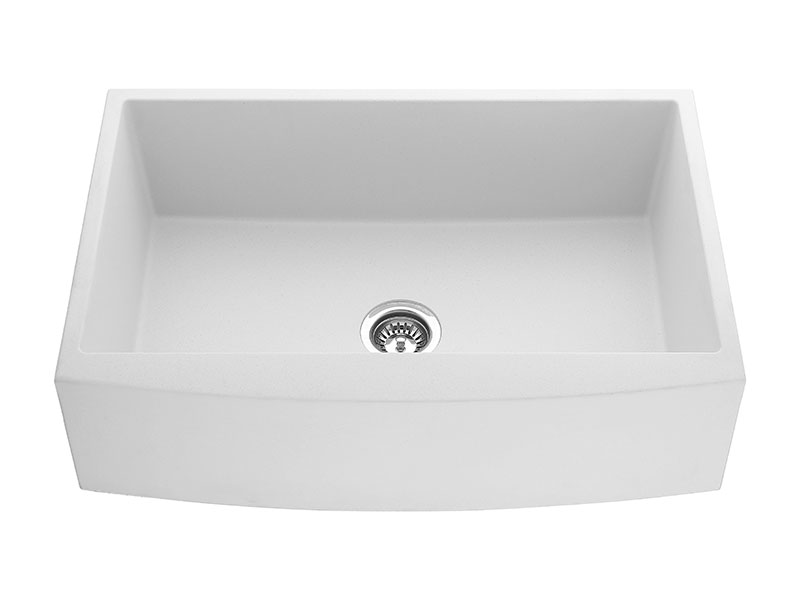
A white quartz sink is chosen for a clean, bright look that pairs well with modern countertops and cabinetry. The most common worry is yellowing over time, especially in busy kitchens where heat, oils, staining foods, and cleaning chemicals are part of daily life. The good news is that most “yellowing” problems are preventable, and when discoloration happens, it usually has a clear cause and a practical fix.
This guide explains what yellowing is, why it happens, how to reduce the risk, and how to clean safely without damaging the surface. It also helps you choose the right sink installation style and workflow for your kitchen.
Yellowing is not always a single problem. Before you treat it, it helps to identify what you are actually seeing. In real kitchens, discoloration usually falls into one of these categories:
Surface film that looks yellow
Often caused by cooking oil mist, grease, hand oils, and airborne residue that slowly builds up. This can make a white sink look warm-toned or dull, especially around the drain and back corners.
Stains that shift color over time
Tea, coffee, turmeric, tomato sauces, and some dyes can leave pigment that appears beige or yellow after repeated exposure.
Hard-water mineral deposits
Limescale can trap grime and create a yellowish cast, particularly where water dries repeatedly.
Heat-related discoloration in localized spots
Very hot cookware, boiling water dumped repeatedly in the same area, or a hot pan placed directly in the bowl can cause visible changes that look like “yellowing,” usually near the bottom or sidewall.
Cleaner damage that changes the surface look
Strong oxidizers or harsh chemicals used too often can affect surface appearance, creating uneven tone or dull patches that read as discoloration.
The right solution depends on whether you are dealing with a removable film, a true stain, mineral deposits, or heat/chemical impact.
A white quartz sink can stay white for years when it is used and cleaned correctly. Quartz sinks are designed for kitchens, so normal water exposure does not automatically lead to yellowing. When yellowing does occur, it is usually driven by one or more controllable factors:
Repeated exposure to oils, strong pigments, or minerals without routine removal
Cleaning routines that leave soap film or residue
High heat contact or thermal shock patterns
Long-term use of aggressive cleaners that are not suited to the surface
In other words, yellowing is not an unavoidable “age effect” in normal use. It is typically a buildup issue or a localized damage issue. If you control the conditions that cause it, the sink maintains its white appearance much longer with less effort.
Some kitchens see yellowing faster because of environment and habits, not because of the sink alone. These are the biggest risk factors:
Grease-heavy cooking and poor ventilation
Frying and high-heat cooking releases oil aerosol that settles on surfaces. If the sink is not wiped down regularly, a thin film develops and gradually yellows.
Hard water and frequent air-drying
Mineral-rich water leaves deposits when it evaporates. Over time, scale becomes a sticky base layer that holds onto food residues and soaps, changing the sink’s appearance.
Pigment exposure without quick rinse
Turmeric, curry, coffee, tea, berry juices, and some food colorings can stain if they sit on the surface. The longer the contact time, the more work required later.
Standing water and wet sponges left in the bowl
Water plus organic residue encourages discoloration, and sponges can leach dye or trap food acids against the surface.
Harsh cleaning habits
Overuse of strong bleach, drain cleaners, or abrasive powders can dull the finish and make stains more visible. A surface that has been dulled will hold onto films more easily.
High-heat misuse
Pouring boiling liquids is usually fine when done normally, but repeatedly dumping extremely hot liquid in one concentrated area, or placing hot cookware directly in the sink, increases the chance of localized discoloration.
If you recognize your kitchen in this list, the best approach is prevention first, then targeted cleaning.
Prevention is not complicated. It is mainly about removing films before they build and keeping minerals from setting into a stubborn layer.
Practical routines that make a big difference:
Daily quick wipe after heavy use
After cooking, wipe the bowl with a soft cloth and mild dish soap, then rinse. This prevents grease film from turning into a yellow cast.
Dry the sink when hard water is an issue
If your water leaves spots on glass, it will also deposit minerals on the sink. Drying the bowl reduces scale buildup dramatically.
Rinse after staining foods
If you washed turmeric containers, coffee grounds, or sauces, rinse promptly. Short contact time reduces staining risk.
Use a protective grid or mat for heat and impact
A bottom grid reduces localized heat contact and protects the surface from abrasion caused by heavy cookware.
Avoid leaving wet sponges and rubber mats sitting in place
Trapped moisture and residue cause uneven discoloration. Store sponges upright and let the bowl dry.
If you want a sink layout that fits your kitchen’s use style, the installation type also matters, which we’ll cover later.
Different causes require different cleaning approaches. The goal is to remove residue without damaging the surface.
Use warm water with mild dish soap and a soft sponge.
If film persists, use a non-abrasive kitchen cleaner designed for composite or quartz sinks.
Rinse thoroughly to avoid leaving cleaner residue, then dry.
Use a gentle descaling approach: apply a mild scale remover suitable for kitchen surfaces, let it sit briefly, then wipe.
Focus on edges, drain area, and corners where water evaporates repeatedly.
Rinse well and dry to prevent immediate re-deposit.
Clean sooner rather than later.
Use a gentle stain-lifting cleaner suited to the sink surface, then rinse.
Repeat light treatments rather than one overly aggressive scrub session.
If discoloration is localized and does not respond to normal cleaning, it may be surface change rather than removable film.
In that case, stop using harsh chemicals and reduce heat contact patterns.
If you are unsure whether it is residue or damage, test cleaning on a small, less visible area first.
A simple way to avoid accidental damage is to avoid abrasive powders, metal scouring pads, and “stronger must be better” chemical mixes. They can create a dull finish that makes future discoloration easier.
If your priority is long-term whiteness, selection should consider both the sink build and your kitchen environment.
Key selection points to compare:
Surface feel and ease of rinsing
A surface that releases residue easily will show less film buildup and require less scrubbing.
Bowl geometry and corner design
Tight corners can trap residue and scale. If you prefer easy maintenance, choose a bowl shape that matches your cleaning routine.
Depth and splash behavior
Deeper bowls reduce splash and keep staining liquids from spreading to countertop edges.
Drain area design
Discoloration often starts around the drain because residue concentrates there. Designs that rinse clean reduce effort.
Installation match to countertop material and sealing approach
The cleaner the water line management at the rim and edges, the less likely you’ll see grime lines that look like discoloration.
ROCKY focuses on quartz sink options across multiple installation types, which helps match a sink to both the kitchen layout and the maintenance style you prefer.
The installation style does not directly cause yellowing, but it can change how easy it is to keep the sink looking white, especially at the rim and around seams.
top-mount sinks
A top-mount rim can help cover countertop cutouts and is often a practical choice for quick replacements. The key maintenance point is the rim edge where water can sit. If you want this style, explore a top mount sink option and plan for consistent sealing and routine wipe-down at the rim.
Undermount Sinks
Undermount styles create a clean countertop line and make it easier to wipe crumbs and water into the bowl. The key maintenance point is the underside seam where moisture can linger if the joint is not kept clean. If your priority is easy counter cleanup, consider an undermount sink and keep the rim area dry after heavy use.
apron-front sinks
apron-front sinks are chosen for a strong design statement and comfortable front access. The main maintenance focus is the front-facing surface that can collect cooking oils and water drips. If you like this look, an apron front sink can work well with simple wipe-down habits, especially in high-use kitchens.
Your best fit depends on whether your kitchen produces more grease film, more hard-water deposits, or more staining from foods. Choosing an installation type that matches your routine reduces the chance that residue sits long enough to discolor.
A white quartz sink does not automatically turn yellow over time. In most kitchens, yellowing is caused by removable surface film, mineral deposits, food pigments left too long, or localized heat and chemical impact. The most reliable prevention is simple: wipe away grease film, avoid letting hard water dry repeatedly on the surface, rinse promptly after staining foods, and use gentle cleaning methods that protect the finish.
If you want the easiest long-term maintenance, choose a sink installation type that matches how you use your kitchen, then build a light routine that prevents residue from becoming stubborn discoloration. With the right habits and the right sink configuration, a white quartz sink can keep its clean appearance for years of everyday use.

 Mobile Phone:
 Contact Now