Bathroom niches can leak, but the niche itself is rarely the root cause. In most real-world cases, leaks happen because the waterproofing system around the niche was interrupted, poorly sealed, or not integrated correctly with the shower wall. A Shower Niche sits inside a wet zone where water hits the wall daily, shampoo residue builds up, and temperature changes occur repeatedly. If water can enter behind tile or into the wall cavity through seams, fastener penetrations, unsealed corners, or an unprotected backer board, it may eventually show up as staining, swelling, mold odor, or moisture damage in adjacent rooms.
The good news is that a bathroom niche does not have to be a leak risk. With correct design details, proper waterproofing, and the right niche construction, a niche can perform as reliably as any other shower surface. ROCKY supplies engineered quartz shower niche options designed for wet-area use, helping projects reduce installation variability and improve long-term maintenance. You can view available styles on our Shower Niche.
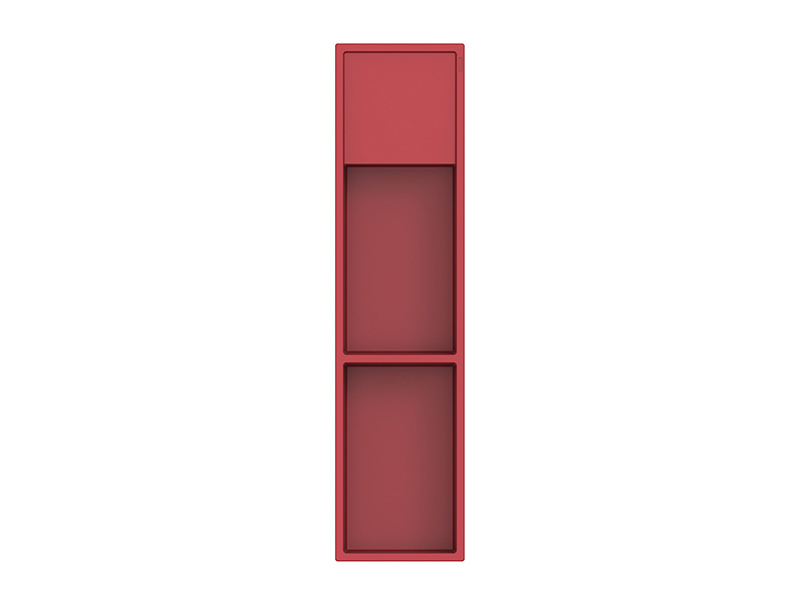
A niche is essentially a recess cut into a wall, which means it introduces additional inside corners, edges, and transitions. Those transitions create more places where water can sit and more points where waterproofing must be continuous. Most shower wall leaks are not caused by tile itself, but by water passing through grout lines and reaching an unprotected substrate. Grout is not a waterproof barrier. It is a decorative, water-resistant surface that still allows moisture migration over time.
Niche leaks typically occur when one of these failures happens:
Waterproofing membrane is missing, cut, or not sealed at corners
Membrane is not properly tied into the wall waterproofing system
The niche base is flat or slopes inward, allowing water to pool
Seams, edges, and penetrations are not sealed with compatible materials
Tile and grout details crack due to movement or poor backing support
A niche can appear fine for months and still leak later, because repeated wetting cycles slowly push moisture into vulnerable points. That is why durability depends on system continuity, not only on craftsmanship at the final tile stage.
Niches include multiple inside corners where two planes meet. These corners are natural stress points because materials expand and contract slightly with temperature, and corners concentrate movement. If corners are not reinforced or sealed correctly, micro-gaps can form and allow water to migrate behind the tile.
The niche base is the most common failure area because it collects water. A base that is perfectly flat can hold water, and a base that slopes toward the back can push water directly into the wall. The correct detail is a slight slope outward so water drains toward the shower.
If the niche frame meets the backer board without a continuous waterproof transition, moisture can travel through the joint line. Even small discontinuities become pathways over time.
If the niche is installed in a wall that flexes, or if the niche box is not rigidly supported, grout lines can crack. Cracked grout is not just cosmetic. It accelerates moisture entry and increases the chance of hidden damage.
No. Many niches last for years with no issues. What determines reliability is whether the niche is built and waterproofed as part of a complete shower system. When the niche is treated like a separate accessory and installed without continuous waterproofing and drainage planning, the risk increases significantly.
The best-performing niches share three characteristics:
A stable, rigid structure that does not flex under use
A waterproof system that remains continuous around all edges and corners
A base detail that drains water outward and does not trap moisture
When these fundamentals are present, niche leakage is not expected behavior.
Many homeowners assume tile makes a shower waterproof. Tile is the wear surface. The waterproofing layer is behind it. In a properly constructed shower, waterproofing is achieved through a system such as a bonded membrane or a liquid-applied waterproof coating integrated across the wall, niche, and transitions.
A niche becomes a leak risk when:
Waterproofing stops at the niche opening
Waterproofing is applied unevenly
Seams are not treated with compatible sealants and reinforcing materials
Fasteners or framing penetrations are left unsealed
Because niches contain multiple planes, they require careful detailing. A shower wall that is well waterproofed everywhere else but weak at the niche will still fail at the niche.
The niche base should not be flat. It should have a slight outward slope so water naturally drains into the shower instead of sitting in the niche. Standing water causes soap buildup, encourages mildew, and keeps grout lines wet for longer periods. More importantly, standing water increases the time moisture is in contact with joints, which raises leak risk if any seam is imperfect.
A practical installation goal is an outward slope that is noticeable enough to drain but not steep enough to make bottles slide. The niche should also be designed so that water does not run behind items and remain trapped at the back corners.
Some niches are built on-site using backer board, fasteners, and layered waterproof coatings. This method can work well, but results depend heavily on workmanship and the consistency of waterproofing coverage inside the niche. If corners are not reinforced, if coating thickness is uneven, or if the backer board is not fully protected, the niche can become a weak point.
A preformed engineered niche can reduce risk by providing:
A rigid body with consistent geometry
A finished interior surface that does not rely on multiple board seams
Cleaner transitions that are easier to integrate with wall waterproofing
Reduced variability across different installers and job sites
Engineered quartz niches are often selected in modern projects because they provide a stable, non-porous interior that supports easier cleaning and a premium finish. ROCKY’s Shower Niche options are designed for wet-area use where durability and consistent installation outcomes are priorities.
Leaks often show up indirectly. The niche may look normal while moisture accumulates behind the wall.
Typical warning signs include:
Persistent dark staining around niche grout lines
Mold odor that returns quickly after cleaning
Soft or swollen wall surfaces outside the shower area
Loose tiles or powdery grout at niche corners
Dampness in adjacent rooms or on the opposite side of the wall
Efflorescence or white mineral deposits that keep reappearing
Not all of these signs confirm an active leak, but they indicate moisture is not being managed correctly. Early correction can prevent expensive wall repairs.
Cleaning habits do not usually cause a well-built niche to leak, but they can accelerate failure in a poorly detailed installation. Harsh acidic cleaners can degrade grout and weaken joints over time. Abrasive pads can scratch surfaces and create micro-cavities where residue and moisture sit longer. Repeated soaking of niche corners without adequate drainage can keep joints saturated.
Good maintenance practices include:
Rinsing away heavy soap buildup so joints stay cleaner
Avoiding aggressive chemicals that damage grout lines
Drying or wiping corners periodically in high-use showers
Watching for early grout cracking and repairing promptly
A niche with a non-porous interior surface is often easier to maintain because residue releases more easily and the surface dries more consistently between uses.
Quartz niches are increasingly used where projects prioritize long-term performance and a premium finish. A rigid engineered niche helps reduce flex, and a solid interior can reduce the number of layered seams inside the niche cavity. In commercial or high-end residential settings, this can help improve consistency across installations and reduce callbacks related to staining or corner maintenance.
ROCKY’s Shower Niche solutions support modern bathrooms that want a clean integrated look while keeping durability and wet-area practicality at the center of the design.
Leak prevention starts before installation. Planning should consider wall layout, plumbing location, and tile alignment. A niche placed in a wall packed with plumbing lines increases the chance of penetrations and compromises. A niche positioned so tiles require narrow cut strips increases the chance of weak grout lines and cracks.
A smart plan:
Chooses a wall location with fewer penetrations
Aligns the niche size with tile modules for clean cuts
Confirms the niche height avoids heavy spray concentration when possible
Ensures framing supports a rigid installation without flex
When planning is done early, installers can execute cleanly without improvising details that often become failure points later.
Bathroom niches can leak, but leaks are typically caused by broken waterproofing continuity, unsealed corners, poor drainage slope, or movement that cracks joints. A niche does not have to be a weak spot when it is installed as part of a complete shower waterproof system and built with stable structure and correct detailing. The most reliable niches prioritize continuous waterproof transitions, reinforced corners, outward drainage, and rigid support to prevent long-term joint opening.
For projects that want a clean, durable niche solution designed for wet-area performance, explore ROCKY options on our Shower Niche.

 Mobile Phone:
 Contact Now