A Shower Niche looks simple, but its height determines whether it feels effortless or frustrating every single day. Place it too low and users bend repeatedly, water splashes inside, and bottles crowd the bottom edge. Place it too high and shorter users cannot reach essentials comfortably, especially when the shower floor is wet and slippery. The right niche height is a practical balance between ergonomics, shower layout, user height range, and how the niche will actually be used.
Modern bathrooms also demand clean lines and easy maintenance. A well-positioned niche reduces clutter, keeps products organized, and avoids hanging baskets that trap moisture. For projects that prioritize long-term durability and a premium finish, stone-based niches are increasingly preferred because they are rigid, stable, and designed for wet environments. ROCKY supplies engineered quartz shower niche solutions for residential and project use. You can view options through our Shower Niche.
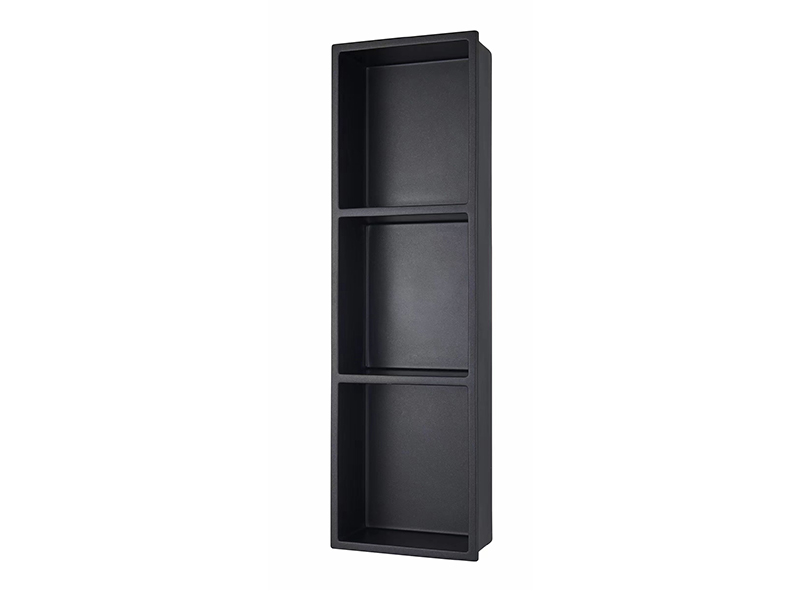
There is no single perfect height for every shower, but there are reliable ranges that work for most adults and typical bottle sizes. In many modern showers, the niche is placed so that its center is roughly at chest height for the primary user. This position keeps daily items reachable without bending and keeps the niche away from heavy splash zones near the floor.
A practical guideline many installers follow is to place the niche opening so the bottom shelf sits roughly in the mid-body reach zone, not at knee height and not near shoulder level. For most showers, that usually means the bottom of the niche is set somewhere around the midline between the shower floor and the user’s shoulder height. This keeps tall bottles upright, keeps labels visible, and reduces the chance of water pooling inside the niche.
Because bathrooms serve different households, it is better to plan for a comfortable range rather than a single exact number, then refine the placement based on who will use the shower most often.
If one adult is the primary user, niche height should be optimized for that person’s comfortable reach. A niche that sits too low increases bending, which becomes annoying and can be unsafe when the floor is wet. A niche that sits too high causes shoulder lift, which is uncomfortable when reaching for heavier bottles.
A good placement keeps the most frequently used items reachable with the elbow slightly bent, without stretching. This is especially important for shampoo and conditioner bottles that are lifted and replaced daily.
In a shared bathroom, niche height should fit a range of heights. The most effective solution is often a two-tier or double niche layout: a lower zone for shorter users or children’s products, and a higher zone for adult daily items. When only one niche is used, the goal is to place it at a neutral height that is reachable for most adults without excessive bending.
If the household includes elderly users, the niche should be placed slightly lower than a typical adult-only shower, because stability and safe reach become more important than style preferences.
For accessible showers, niche height must reduce stretching and improve stability. Users may rely on grab bars and need reachable storage from a seated or limited-mobility position. In these cases, the niche should be planned together with seating height and grab bar layout. A niche placed too high becomes unusable for the very people it is intended to help.
A niche should not sit directly in the main spray path if avoidable, because constant direct water can increase soap residue, create faster mineral buildup, and keep products wet. Many designers position the niche on the wall opposite the shower head or slightly off to the side so the interior stays cleaner and drier.
Height planning should consider where water hits the wall. Even a perfect ergonomic height can become a maintenance problem if it sits directly under heavy spray.
A tub-shower combo has a higher “floor” reference because the tub deck changes where users stand. This often shifts the niche higher compared with a walk-in shower. In a walk-in shower with a low threshold, niche placement can be slightly lower while still remaining above splash-prone zones.
If the shower includes a bench, niche height should coordinate so users can access products while seated. A niche positioned above the bench but not so high that a seated user must reach overhead creates a safer and more comfortable experience. If a footrest is used for shaving, a lower storage zone can also be helpful for razors and shaving products.
A niche is not only about its position, but also about what it needs to hold. Tall bottles require enough vertical clearance, and multiple users require better organization.
A single tall niche can store large bottles, but it can look empty if not filled and may allow products to tip if shelves are not planned. A double-shelf niche provides better organization and allows you to place daily items at the most ergonomic height while keeping backup items on a second level.
In modern design, long horizontal niches are also popular because they allow multiple bottles in a row and create a clean architectural line. Their height is often positioned to align with tile grout lines or other design elements, but ergonomics should remain the priority.
Quartz niches are often chosen for this kind of design because they provide a solid, clean interior surface that looks finished, not patched, and the structure supports crisp edges and consistent geometry. ROCKY offers engineered quartz niche solutions through Shower Niche.
The following table summarizes practical niche height planning scenarios. Exact heights vary by project, tile layout, and user profile, but these placement approaches remain reliable.
| Bathroom Type | Placement Approach | Why It Works |
|---|---|---|
| Primary adult shower | Center near comfortable chest reach | Minimizes bending and overstretching |
| Family bathroom | Neutral center height or two-tier layout | Supports multiple user heights and product types |
| Guest bathroom | Slightly higher placement with clean visual alignment | Reduces splash exposure and keeps a tidy look |
| Accessible shower | Coordinate with seat height and reach limits | Improves safety and practical usability |
| Tub-shower combo | Shift upward relative to tub deck standing level | Keeps niche comfortable within the altered standing zone |
| Shower with bench | Place within reach when seated, not overhead | Supports comfort and reduces slip risk |
This approach focuses on how the niche is actually used, which is the most reliable way to avoid placement regret.
Niche placement is often limited by wall studs, plumbing lines, and tile layout. A niche installed without considering these constraints can require extra framing, create awkward cut tiles, or force the niche into an uncomfortable height.
To avoid this, niche planning should happen early in the design stage. Aligning the niche with tile grout lines creates a clean look and reduces cutting. Locating the niche away from plumbing stacks reduces the risk of relocation work. Selecting a niche size that fits standard framing spacing can simplify installation and improve structural stability.
Preformed quartz niches can simplify these constraints because they provide a rigid, finished interior that installs as a single unit, reducing the need for complex niche box construction. This approach helps keep dimensions consistent and supports faster jobsite execution.
A niche is continuously exposed to water, temperature changes, shampoo chemicals, and cleaning agents. If the interior is built with multiple layered materials and seams, long-term durability depends heavily on waterproofing and workmanship. Over time, poorly finished niches can develop discoloration, mold-prone corners, or water infiltration behind tile.
Engineered quartz niches are valued because they provide a solid, non-porous interior surface with clean edges, and they reduce the number of construction layers inside the niche cavity. This supports easier cleaning, better stain resistance, and a more premium finish that stays consistent.
ROCKY’s Shower Niche options are designed for wet-area use where structural stability and cleanability matter, helping projects reduce installation variability and improve long-term bathroom performance.
One frequent mistake is placing the niche too low in an effort to keep it “out of sight.” This often results in constant bending and increased splash exposure, which makes the niche interior harder to keep clean. Another mistake is placing it too high to align with a decorative band or an aesthetic centerline, which can make daily use uncomfortable.
A third mistake is ignoring bottle height. If tall bottles cannot stand upright, users will either lay them down or remove them, defeating the storage purpose. A fourth mistake is putting the niche directly under the shower head spray, which accelerates soap buildup and increases cleaning effort.
The best approach is to prioritize reach comfort, then confirm the niche stays out of the heaviest direct spray zone, then align with tile lines where possible.
Even when plans look correct, the easiest way to confirm niche height is to test it in the real shower space. Before fixing the niche location permanently, stand in the shower area and simulate reaching for shampoo, conditioner, and body wash. Consider where your elbow sits, whether you need to bend, and whether the niche will be in your direct spray path.
If the shower serves multiple users, test reach for the shortest frequent user as well as the tallest. A niche that feels slightly low is usually easier to live with than one that is too high, because reaching overhead in a wet shower creates more safety concerns than bending slightly.
The best bathroom niche height is the one that matches real daily reach, avoids the heaviest spray zone, and supports organized storage for the products you actually use. Most modern showers place the niche in a mid-to-upper reach zone that allows adults to access bottles without bending or stretching, while family and accessible bathrooms benefit from a height plan that supports a wider range of users.
For projects that prioritize clean aesthetics, stable geometry, and durable wet-area performance, a quartz niche can simplify installation and improve long-term maintenance. To review ROCKY’s engineered niche options for modern bathrooms, visit our Shower Niche.

 Mobile Phone:
 Contact Now