Quartz sinks are widely chosen for modern kitchens because they combine a dense engineered structure with a surface that is designed to handle daily wear. Durability in a kitchen sink is not only about whether it can survive a single impact. It also includes how the sink performs over years of repeated temperature changes, heavy cookware contact, frequent cleaning, food acids, and long-term exposure to water. A truly durable quartz sink should stay structurally stable, resist visible aging, and remain easy to maintain without developing persistent stains or surface damage.
For buyers and homeowners evaluating quartz sinks, it helps to look at durability through measurable performance categories: impact behavior, scratch resistance, stain resistance, heat tolerance, color stability, and structural integrity around edges and mounting zones. This article breaks down what quartz sinks do well, what conditions can shorten service life, and how to choose the right sink style for your installation. ROCKY offers multiple quartz sink formats, including Top Mount Sink, Undermount Sink, and Apron Front Sink, allowing projects to match durability needs with real installation requirements.
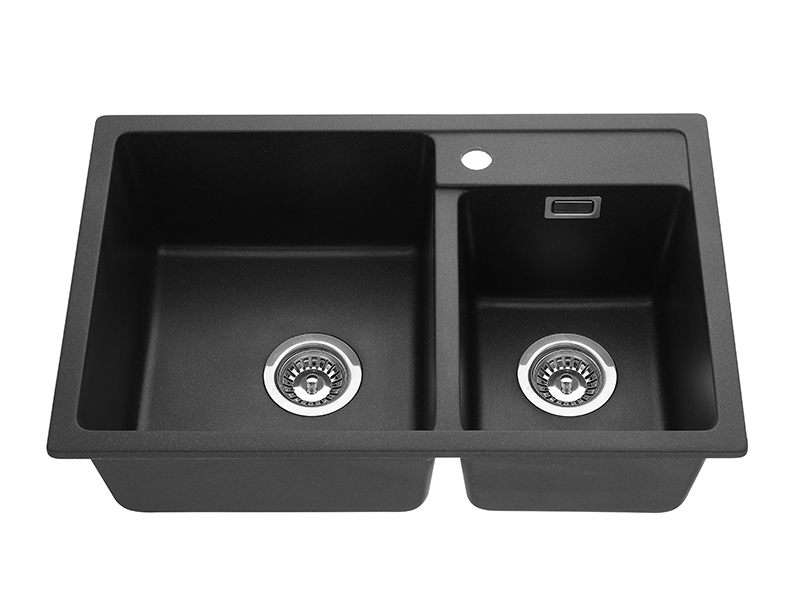
Quartz sinks are typically engineered from a blend of quartz particles and high-performance binding systems. This engineered structure creates a dense body that helps the sink resist everyday abrasion and maintain its shape under use. Unlike thin-gauge metals that may dent from a single heavy hit, a quartz sink body is designed to distribute force through a thicker, rigid structure. Unlike porous materials, a well-made quartz sink surface is intended to reduce absorption pathways that lead to staining and lingering odors.
Durability also depends on manufacturing control. Even with strong raw materials, durability can be reduced if the mixture is inconsistent, if curing is not controlled, or if the sink body contains internal voids. Buyers should therefore consider both the material category and the manufacturer’s production stability when judging durability.
One of the most practical durability benefits of quartz sinks is their strong resistance to everyday scratching compared with softer materials. In real kitchens, scratches are caused by dragging cookware, washing heavy pans, and moving utensils across the sink floor. Quartz sink surfaces are engineered to handle this type of contact without quickly developing a worn appearance.
It is still important to distinguish between micro-abrasion and deep gouges. Over time, any sink can show fine marks if abrasive pads or gritty residues are repeatedly used. However, a quartz sink is generally chosen because it keeps its appearance more consistent, especially when cleaning practices avoid aggressive abrasives. For projects where a premium look must remain stable, scratch resistance is a key part of perceived durability.
A common question is whether quartz sinks chip. Any hard, rigid sink material can chip if a heavy object hits the sink at the wrong angle, particularly near edges or corners where stress concentrates. The more meaningful durability question is how often this happens under normal use and how the sink design handles impact loads.
Quartz sinks usually perform well under typical kitchen impacts such as dropping a cup or lightly striking with cookware. Higher-risk situations include dropping heavy cast iron directly onto a sharp edge or impacting the rim during installation. Durability improves when the sink has well-designed edge geometry, stable wall thickness, and consistent internal structure. Installation practices also matter because stress introduced at mounting points can increase chip risk over time.
Stain resistance is one of the most valued durability benefits of quartz sinks. In kitchens, staining comes from repeated exposure to coffee, tea, wine, sauces, oils, and pigmented food residues. A durable sink surface should reduce absorption and allow stains to be removed with routine cleaning rather than requiring harsh chemicals.
Quartz sinks are engineered to support this kind of daily maintenance. The key to long-term stain durability is preventing residues from remaining on the surface for extended periods and avoiding cleaners that damage the surface finish. If a sink is consistently cleaned and dried after heavy use, the surface appearance remains more stable for longer.
Color stability is also part of durability. A sink that fades, yellows, or changes tone undermines the long-term design value. Durable quartz sinks are designed to keep their color consistent under normal indoor kitchen conditions, supporting a stable look across years of use.
Kitchen sinks experience fast temperature changes, such as hot water, boiling cookware, and cold rinsing. Heat durability includes both the sink’s resistance to temperature and its ability to handle thermal shock.
Quartz sinks generally handle routine hot water and typical cooking temperatures well, but extreme thermal shock can create stress in any rigid sink material. For example, placing a very hot pan directly onto a cold, wet sink surface can create a high gradient in temperature. Over time, repeated extreme events can increase stress. A practical durability approach is to use a sink grid or trivet for very hot cookware and avoid sudden temperature extremes when possible.
Heat durability also ties into the binding system and manufacturing quality. A consistently produced quartz sink tends to maintain stable performance across temperature changes, which is why production control matters when assessing durability.
Sinks do not fail only from surface wear. They can also fail from structural stress around mounting zones. The durability of a sink must consider how it is installed and how weight and movement are supported over time.
Top Mount Sinks are often chosen for reliable installation because the rim rests on the countertop and supports distributed load. ROCKY’s Top Mount Sink options suit projects where installation simplicity and rim-supported durability are priorities.
Undermount Sinks create a cleaner countertop line and make wiping into the sink easier, but durability depends heavily on correct mounting, adhesive selection, and long-term support. When properly installed, an undermount quartz sink can remain stable and durable while delivering a premium modern look. ROCKY’s Undermount Sink options support this design style.
Apron Front Sinks bring a bold focal point to kitchen design and can reduce cabinet face exposure in certain layouts. They also involve different cabinet and countertop support considerations, so durability depends on correct fit and support structure. ROCKY’s Apron Front Sink options are suited for projects where both design presence and long-term stability are required.
Durability is easier to evaluate when broken into real use categories. The table below summarizes what buyers typically consider when deciding if quartz sinks meet long-term performance expectations.
| Durability Factor | What It Means in Daily Use | What to Watch For | Practical Durability Outcome |
|---|---|---|---|
| Scratch resistance | Surface stays clean-looking under cookware movement | Avoid harsh abrasive pads | Maintains appearance longer |
| Impact durability | Sink resists damage from typical drops and bumps | Heavy impacts on sharp edges | Reduces chipping complaints |
| Stain resistance | Food and drink residues clean off without deep staining | Prompt cleaning after heavy stains | Low-maintenance daily use |
| Heat tolerance | Handles hot water and normal cookware exposure | Avoid extreme thermal shock events | Stable long-term structure |
| Structural integrity | Mounting zones remain stable and secure | Correct installation support | Prevents movement and stress cracks |
| Color stability | Sink appearance remains consistent | Use appropriate cleaners | Keeps design consistent over time |
This approach helps buyers judge durability based on daily risk points rather than general claims.
Even a durable sink can age faster if certain conditions are repeated. The most common durability reducers are not complex. They are usually linked to cleaning habits, misuse, or installation problems.
Abrasive cleaning pads used daily can gradually change the surface finish and make the sink look older. Leaving strong pigments on the surface for long periods can increase the likelihood of staining, especially in lighter colors. Repeated extreme thermal shock events can add stress over time. Installation issues such as inadequate undermount support, uneven countertop seating, or poor adhesive choice can create stress that eventually causes movement or cracking.
The advantage of quartz sinks is that most of these risks are controllable with correct installation practices and reasonable maintenance habits.
Improving durability is often about consistent habits rather than special treatments. Rinse and wipe the sink after heavy cooking sessions to prevent residue build-up. Use non-abrasive cleaning tools for routine cleaning and reserve stronger methods only when needed. Avoid dropping heavy cookware onto sink edges, and use protective grids if your kitchen sees frequent heavy pan handling. For undermount and apron front installations, ensure the sink is correctly supported and that adhesives and brackets are chosen for long-term load stability.
These steps help the sink maintain both structural integrity and surface appearance across years of use.
Choosing the right style is part of durability planning because each installation type carries different stress patterns.
Top mount installations are often preferred for renovations and high-use kitchens where easy replacement and strong rim support are valued. Undermount installations are chosen for modern aesthetics and easy countertop cleaning, with durability depending on correct mounting. Apron front sinks are selected for design impact and workflow preferences, with durability depending on cabinet support and accurate sizing.
ROCKY provides all three options, including Top Mount Sink, Undermount Sink, and Apron Front Sink, enabling buyers to match durability expectations with installation requirements.
Quartz sinks are durable in the ways that matter most for modern kitchens. They are designed to resist everyday scratching, maintain appearance under frequent cleaning, and handle typical temperature changes without losing structural stability. Like any premium surface, their long-term performance depends on correct installation and reasonable use habits, especially around edges, mounting zones, and extreme thermal shock events.
For projects seeking a balance of long-lasting performance and premium design, quartz sinks remain a strong choice. Selecting the right sink style for the installation and ensuring stable support and maintenance practices are the most direct ways to maximize durability and keep the sink looking consistent over time.

 Mobile Phone:
 Contact Now