Quartz sinks are chosen for one main reason: they deliver a premium stone-like look with everyday practicality. But many buyers still ask the same question before ordering: Do Quartz Sinks Crack?
The honest answer is that quartz composite sinks are engineered to be highly impact-resistant and stable for daily kitchen use, but any sink material can crack under the wrong conditions. What matters most is understanding the real causes of cracking, choosing the right sink style for your cabinet and workload, and following a few simple installation and use practices that reduce risk dramatically.
Rocky offers quartz sinks in multiple installation types, all made from quartz material:
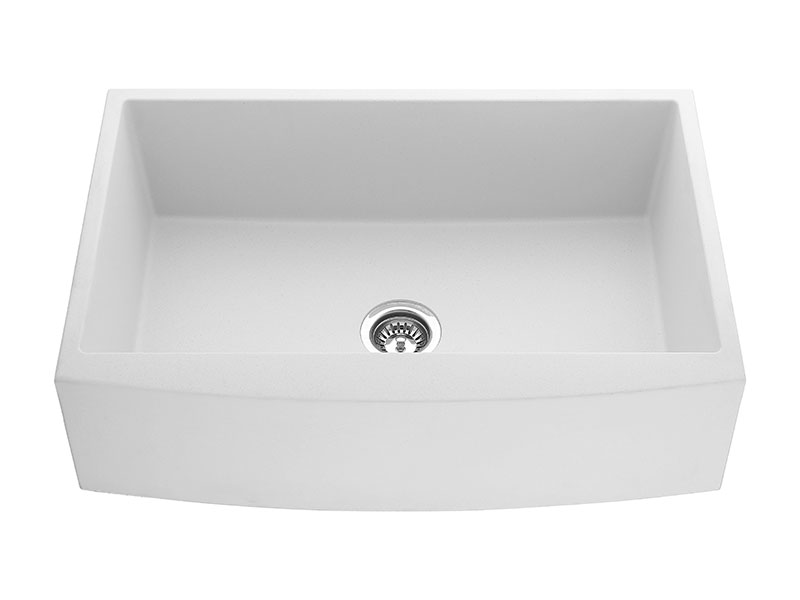
Most quartz kitchen sinks are quartz composite, meaning quartz mineral content is combined with high-performance binders to create a dense, non-porous or low-porosity structure designed to handle impact, water exposure, and temperature changes.
In normal home use, a quartz composite sink is unlikely to crack because the material is built to absorb daily stress better than brittle ceramic-like surfaces. Cracking is usually linked to one of three situations:
a strong impact event
extreme, repeated thermal shock
installation stress that transfers cabinet movement into the sink body
Choosing a well-made sink is the first step. The second step is matching the sink type to the cabinet structure and installing it correctly.
A crack rarely happens without a reason. Understanding the cause helps you prevent it and also helps you diagnose whether the issue is misuse, installation, or an isolated defect.
Quartz composite is tough, but dropping a heavy cast-iron pan or a sharp-edged tool onto the same point can exceed the impact tolerance. Most damage happens near corners, drain areas, or unsupported edges where stress concentrates.
Quartz sinks handle hot water and normal cooking activity well, but sudden temperature swings can be a risk factor. The common high-risk scenario is placing an extremely hot pan into a cold sink with cold water running, or repeatedly pouring boiling water into a fully dry sink followed by cold water.
This is the most overlooked cause. If the sink is forced into a tight cutout, supported unevenly, or bonded incorrectly, the sink can carry stress continuously. Over time, that stress can show up as hairline cracks, especially near the rim or corners.
Installation-related cracking is also more likely when:
countertops are uneven
sink clips are over-tightened
the cutout is too small and squeezes the sink flange
the cabinet frame is not level and transfers torsion into the sink
The risk profile changes by installation method because the countertop and cabinet support the sink differently. The best option depends on your countertop material, cabinet design, and how heavy-duty the kitchen use is.
Rocky undermount quartz sinks are popular for modern kitchens because the countertop edge is clean and easy to wipe into the bowl. They rely heavily on correct support and adhesive bonding. When properly installed with full perimeter support and correct bracketing, Undermount Sinks are extremely stable. When poorly supported, they can be exposed to stress at the rim.
Best for:
stone countertops
clients who want a seamless premium look
projects with professional installation and proper sink support
Rocky top mount quartz sinks are often the most forgiving because the sink flange sits on the countertop cutout and distributes load across the top edge. This style can reduce the chance of stress cracks caused by poor undermount bonding or bracket errors.
Best for:
faster replacements
mixed countertop types
projects where installation simplicity is a priority
Rocky apron front quartz sinks add a strong design statement and are common in farmhouse and transitional kitchens. Because the front apron is exposed, correct cabinet modification and leveling are essential. When the support frame is built correctly, Apron Front Sinks are very stable and handle heavy use well. When cabinets are cut inaccurately or the base is uneven, stress can concentrate.
Best for:
farmhouse style kitchens
clients who want an iconic front-apron look
projects with accurate cabinet preparation
Most prevention is simple. It is about reducing shock loads and ensuring the sink is not under constant stress.
Lower heavy cookware into the sink instead of dropping it
Use a sink grid if you wash heavy pots daily
Avoid striking the rim with hard objects
Do not use the sink as a cutting or hammering surface
Do not place extremely hot pans directly onto the sink surface
If draining boiling water, run warm water first to reduce the temperature gap
Avoid repeated hot-to-cold cycles in a short time window
For contractors and installers, cracking prevention starts at the cabinet and cutout:
Ensure the cabinet is level and rigid
Confirm the cutout fits without forcing the sink
Apply support evenly along the sink contact zones
Avoid over-tightening mounting hardware
Use correct bonding and curing time for undermount setups
If you are selecting a sink style partly based on installation control, top mount quartz sinks often reduce risk because the rim is mechanically supported by the countertop. For premium seamless aesthetics, undermount is excellent when supported correctly.
Not every line or mark is a structural crack. Many customers see surface marks and assume cracking.
Common look-alikes:
metal transfer marks from cookware
mineral lines from hard water deposits
surface scratches from abrasive pads
seam shadows from lighting reflection
A true crack typically shows one or more of these:
a visible line that does not clean off
a line that catches a fingernail
water seepage or dampness in the cabinet area
a line that grows over time
If a mark disappears with non-abrasive cleaning, it was likely a deposit or transfer rather than damage.
| Quartz Sink Type | Typical Risk Driver | Installation Sensitivity | Best Use Case |
|---|---|---|---|
| Undermount | Rim stress if support is uneven | High | Premium seamless look with professional install |
| Top Mount | Local impact, less rim stress | Medium | Replacement projects, simpler installation |
| Apron Front | Cabinet support errors, leveling | High | Farmhouse style with correct base framing |
Explore Rocky options by installation type:
Quartz sinks may look similar in photos, but long-term durability depends on manufacturing control and consistency. The sink needs uniform material structure, stable forming, and precise geometry so that installation loads distribute evenly.
When buyers choose Rocky, the advantage is not only design variety across undermount, top mount, and apron front styles, but also product consistency that helps installers achieve stable results. A sink that fits correctly and sits correctly is far less likely to develop stress issues over time.
For project planning, selecting the right installation type is the fastest way to reduce risk:
Choose top mount when you want a forgiving installation path
Choose undermount when you want a high-end finish and can ensure correct support
Choose apron front when design impact is key and cabinet prep is accurate
Quartz sinks can crack, but cracking is not typical in normal kitchen use. Most cracks are linked to heavy impact, extreme thermal shock, or installation stress. The best way to avoid problems is to choose the right sink type for your project and ensure correct support and daily-use habits.
If you are selecting a quartz sink for a renovation or large project, start with the installation style that matches your countertop and cabinet conditions.
Previous: How Durable Are Quartz Sinks?

 Mobile Phone:
 Contact Now