A quartz sink is built for real kitchens: frequent rinsing, constant contact with cookware, temperature changes, and everyday messes like coffee, sauces, and oils. The good news is that quartz composite sinks are designed to be durable and low-maintenance, but the best performance still comes from consistent, correct care.
This guide focuses on simple routines that keep the surface looking clean, help prevent staining and limescale, and protect the finish over years of use. If you are comparing styles or planning a project, you can view Rocky’s sink range here: Rocky quartz sink collection.
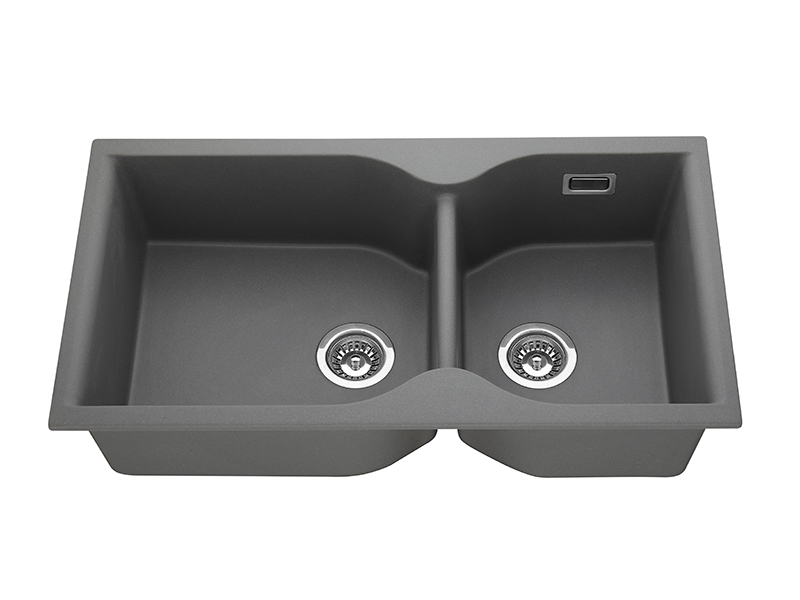
Most quartz kitchen sinks are quartz composite materials designed to balance toughness, stain resistance, and a smooth, modern look. That combination means daily cleaning is usually easy, but it also means harsh chemicals and abrasive habits can slowly wear down the surface texture.
Quartz sinks perform best when you treat them as a premium work surface:
Clean with gentle cleaners and soft tools
Remove mineral deposits early
Avoid harsh chemical soaking
Reduce impact from heavy cookware drops
Rocky’s sinks are made for high-use kitchens, and good care helps preserve their consistent appearance and color over time. Browse options here: Rocky quartz sink collection.
Most long-term issues come from small repeated exposures: standing water, soap residue, and mineral buildup. A daily routine prevents those from turning into visible stains or dull patches.
A reliable daily routine:
Rinse the basin after cooking or dishwashing
Apply a small amount of mild dish soap on a soft sponge
Wipe all contact zones, especially around the drain and corners
Rinse thoroughly to remove soap film
Dry with a microfiber cloth if you want a spotless finish
Drying seems optional, but it is the fastest way to reduce water spots in hard-water areas. It also keeps the sink looking uniform under bright kitchen lighting.
Even with daily rinsing, kitchens create invisible buildup from cooking oils, detergents, and food residue. A weekly deep clean resets the surface and keeps it fresh.
A simple weekly method:
Wet the sink surface with warm water
Use a non-abrasive cream cleaner or a baking soda paste
Work in gentle circles with a soft sponge
Focus on the bottom plane and high-contact edges
Rinse thoroughly and dry
If odor is a concern, do not rely on fragrance cleaners. Odor usually comes from the drain assembly or trapped organic residue, so deep cleaning should include the drain area and the immediate perimeter.
Quartz sinks resist staining well, but staining can still happen when strongly pigmented foods dry on the surface. The key is using the right approach based on stain type.
Use warm water plus mild dish soap first
If needed, apply a baking soda paste for several minutes
Wipe gently and rinse
Use a degreasing dish soap
Wipe the surface, then rinse thoroughly
Finish with a microfiber dry-down to remove haze
Metal marks are often surface transfer, not true staining.
Use a non-abrasive cleanser and a soft sponge
Work slowly, rinse, and check progress
Avoid aggressive scouring pads that can dull the surface
If you frequently handle heavy pots, a bottom grid or sink mat can reduce rubbing marks and help keep the basin looking new, especially in busy kitchens.
For many households, hard water is the main reason sinks lose their clean look. Mineral deposits can create chalky rings, dull areas, and roughness over time.
A safe, effective limescale approach:
Wipe and dry after use whenever possible
For buildup, use a mild descaling solution appropriate for composite sinks
Apply briefly, wipe gently, and rinse thoroughly
Do not leave descalers sitting for long periods
Dry after rinsing to prevent new spotting
If you see a white haze or ring, treat it early. The longer minerals sit, the more effort it takes to remove them without needing stronger cleaners.
Quartz composite sinks are designed for kitchen temperature shifts, but best practice still reduces stress on the material and keeps the surface stable.
Heat guidelines:
Do not pour boiling water onto a completely dry sink surface repeatedly
Avoid placing a hot pan directly into the sink for extended time
Use a sink grid when handling very hot cookware
Impact guidelines:
Avoid dropping cast iron or heavy pots into the basin
Lower heavy items instead of sliding them into the sink
Use a protective rack if the sink is used for constant pot washing
These habits matter most in commercial-style home kitchens where cookware is heavy and use is frequent.
Many sink problems come from the wrong cleaning tools rather than the wrong sink. Abrasive habits can gradually change the surface feel and appearance.
Avoid:
Steel wool and aggressive scouring pads
Strong abrasive powders used frequently
Harsh chemical soaking, especially overnight
Paint thinners or strong solvents
Drain chemicals that splash onto the sink surface and sit
If you use a strong product for a specific stain event, keep contact time short, rinse thoroughly, and do not make it a routine.
| Situation | Best Method | What to Avoid |
|---|---|---|
| Daily food residue | Mild dish soap + soft sponge | Abrasive pads |
| Grease film | Degreasing dish soap + warm water | Strong solvent cleaners |
| Coffee, wine, fruit pigment | Baking soda paste + gentle wipe | Long chemical soaking |
| Water spots | Rinse + microfiber dry | Air-drying in hard water zones |
| Limescale ring | Mild descaler, short contact, rinse well | Leaving acid cleaners sitting |
| Metal transfer marks | Non-abrasive cleaner + soft sponge | Steel wool |
A sink is not just a basin. It is one of the most used surfaces in the kitchen. Rocky’s quartz sinks are built for durability, modern appearance, and everyday practicality, which is why correct care is simple and consistent rather than complicated.
If you are sourcing for a renovation or a new build and want a sink that stays clean-looking with realistic maintenance habits, you can review Rocky’s styles and options here: Rocky quartz sink collection.
The best quartz sink care is not about strong chemicals or complicated routines. It is about preventing buildup, cleaning gently, and addressing minerals early. Rinse daily, wipe with mild soap, dry when possible, deep clean weekly, and avoid abrasive tools. Those habits protect the finish, preserve the color, and keep the sink looking premium for the long term.
For more sink choices and project planning options, visit Rocky quartz sink collection.
Previous: Do Quartz Sinks Crack?

 Mobile Phone:
 Contact Now