Installing an apron-front sink in an existing cabinet is absolutely doable, but it is not a simple drop-in swap. The sink’s “apron” changes how the cabinet face is cut, how the sink is supported, and how the countertop ties everything together. If you plan carefully and build a proper support system, you can get a clean, professional result that looks intentional, not improvised.
If you are sourcing a durable apron-front option, Rocky’s quartz and granite composite sinks are designed for daily kitchen wear, with a solid feel, easy-clean surfaces, and multiple color choices that help match modern countertop palettes. You can browse options here: Rocky kitchen sink collection.
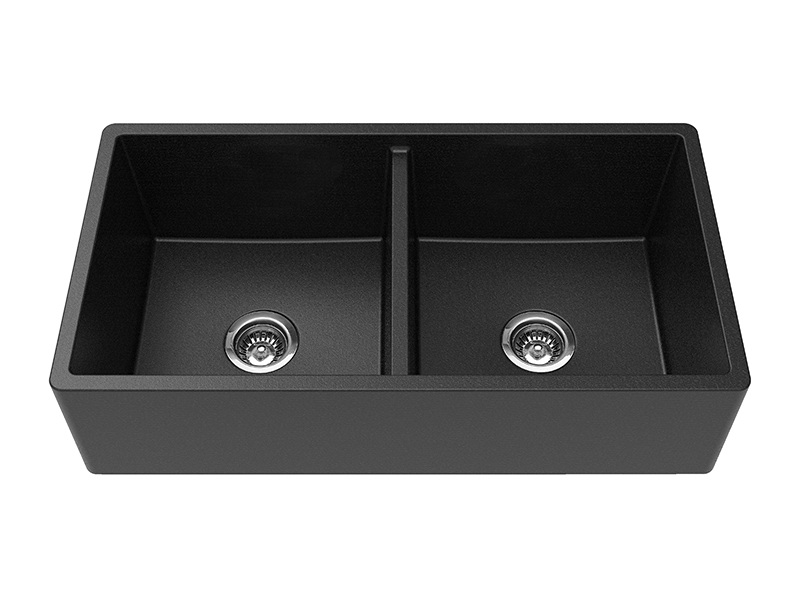
Most installation problems happen because the cabinet opening, sink width, and apron height were assumed instead of measured. An apron sink needs space in three directions: width between cabinet walls, front-to-back clearance, and vertical clearance for the apron and the bowl depth.
Start by measuring the existing cabinet carefully and writing the numbers down. Then compare them with the sink’s specification sheet. If you are replacing a standard top-mount or Undermount Sink, expect cabinet modifications.
Key checks to confirm:
Cabinet type: standard base cabinet, sink base cabinet, or a modified cabinet with center stile
Door and drawer layout: apron sinks often require changing the top rail or false front
Plumbing path: drain location and trap space must clear the sink bowl depth
Countertop material and thickness: affects undermount hardware, reveal, and support approach
A quick planning table helps avoid measurement drift during cutting.
| Item to Measure | What to Record | Why It Matters |
|---|---|---|
| Inside cabinet width | Left wall to right wall | Determines max sink width and support rail spacing |
| Inside cabinet depth | Front inside edge to back wall | Confirms bowl clearance and drain/trap space |
| Cabinet face opening | Existing front opening size | Determines how much to cut for the apron |
| Countertop thickness | Thickness at sink cutout | Impacts reveal, clips, and finishing details |
| Drain centerline | Distance from cabinet sides and back wall | Helps align drain, trap, and disposal space |
An apron sink can be installed as undermount, flush, or with a custom trim approach depending on your countertop and the sink design. Regardless of style, the cabinet must carry the sink weight through a structural support system, not only through silicone or clips.
Common tools:
Tape measure, straightedge, level
Painter’s tape, marker, cardboard for template work
Oscillating multi-tool or jigsaw for cabinet face cuts
Drill and driver, wood screws
Clamps and shims
Caulk gun, high-quality kitchen and bath silicone
Safety gear: gloves, eye protection, dust control
Common materials:
Support rails: solid wood or plywood strips thick enough to resist flex
A support deck or cradle: plywood base or cleats depending on your sink style
Waterproof coating or sealant for exposed cabinet edges
New supply lines and shutoff valves if existing parts are old
Shut off hot and cold water at the valves and open the faucet to relieve pressure. Disconnect supply lines and the drain trap. If there is a disposal, disconnect power safely and remove it following local safety practice.
After the old sink is out, inspect the cabinet for:
Swollen particleboard, water damage, soft spots
Loose cabinet face frames
Out-of-square cabinet walls that will force the sink to sit twisted
Existing braces that will interfere with apron clearance
If the cabinet base or face frame is compromised, reinforce it now. An apron sink highlights misalignment because the front apron is always visible.
The most important visual line in this project is the cabinet face cutout that reveals the apron. If the cut is too high, the sink may not sit at the correct countertop height. If it is uneven, the apron will look crooked even if the countertop is level.
A reliable marking method:
Place the sink in front of the cabinet and center it left-to-right.
Decide the final apron reveal style. Many installs aim for a clean, even reveal with the apron face aligned to the cabinet front.
Transfer the sink apron outline to the cabinet face using painter’s tape and a straightedge.
Mark the cut line slightly inside the outline, then plan to fine-trim to final fit.
Double-check level across the cut marks. Re-check cabinet floor level too, because old cabinets can sag.
Cut slowly and keep edges clean. After cutting, seal exposed wood edges so they do not absorb moisture over time.
Do not rely on countertop adhesive or a few clips to carry an apron sink. The sink should rest on a rigid support structure that transfers load into cabinet side walls and face frame.
Two common support approaches:
Support rails plus a sink deck
Install sturdy rails on both cabinet side walls at the target sink rim height.
Add a plywood deck on top of the rails for full-bottom support.
Cut a drain access opening in the deck.
Cradle or cleat system
Install cleats around the interior cabinet walls.
Add cross braces front-to-back if the sink is heavy or if the cabinet walls are thin.
Use shims to dial in perfect level before final fastening.
Before final fixing:
Dry-fit the sink and check level left-to-right and front-to-back
Confirm the sink rim height matches the countertop plan
Confirm the apron sits flush and centered in the cabinet face opening
For composite apron sinks, consistent support is especially important for long-term stability and a clean seam line at the countertop. If you want options designed for durability, color consistency, and easy maintenance, start with Rocky kitchen sink collection and select the apron style that matches your cabinet width and countertop plan.
Once the sink support is perfect and level, set the sink in place and confirm it has no rock or twist. Clean dust from contact surfaces before sealing.
If undermounting:
Apply an even bead of kitchen and bath silicone along the sink rim contact zone.
Bring the countertop down into place, or slide it into position depending on your countertop workflow.
Use the correct mounting method recommended for your countertop material and sink design.
Then connect plumbing:
Install the drain assembly with the correct gasket orientation
Reconnect the trap with proper slope
If using a disposal, confirm clearance and vibration stability
Reconnect hot and cold supply lines and check valves
After water is back on, do a staged leak check:
First check supply connections under pressure
Then fill the sink and release water to check drain seals
Finally run water for several minutes and inspect every joint again
Apron looks crooked
Re-check cabinet floor level and support rail level, then shim the sink until the apron sits square to the cabinet face.
Gaps at the cabinet face cutout
Fine-trim for symmetry if possible, then use a clean trim solution or filler strip rather than thick caulk lines.
Countertop seam or reveal looks uneven
Confirm the sink rim is level and at consistent height across the cabinet. Small height errors show up as big visual problems.
Drain does not line up with existing plumbing
Adjust trap components and re-route as needed. Avoid forcing angles that create slow drainage.
Cabinet feels weak after cutting
Reinforce the face frame and add cross bracing inside the cabinet before final countertop sealing.
An apron-front sink can upgrade the look and function of a kitchen, but the cabinet must be modified with precision and supported like a structural component. Measure first, mark carefully, cut cleanly, and build a rigid support system that keeps the sink level for the long term. When you pair a disciplined install with a durable composite sink surface, you get a setup that looks sharp and stays easy to maintain.
If you are choosing a sink for this kind of project, Rocky’s composite sink options offer a solid, practical starting point for apron-front designs. Explore styles and finishes here: Rocky kitchen sink collection.

 Mobile Phone:
 Contact Now