Plumbing a double bowl kitchen sink is not complicated in principle, but the details matter more than many people expect. A double bowl sink gives users more flexibility in daily work, but it also means the drain setup has to stay balanced, practical, and easy to maintain. If the plumbing is done well, both bowls drain smoothly, odors stay under control, and the sink works the way people expect in real kitchens. If it is done poorly, even a good sink can feel inconvenient after installation.
That is why sink selection and plumbing design should be thought about together. A double bowl sink is not only a countertop fixture. It is part of the whole kitchen workflow. Our product fits naturally into this topic because a 34-inch overmount double sink with a 60/40 bowl layout is built for kitchens that need both space and flexibility. Once the sink has the right size and structure, the plumbing underneath needs to support that same practicality.
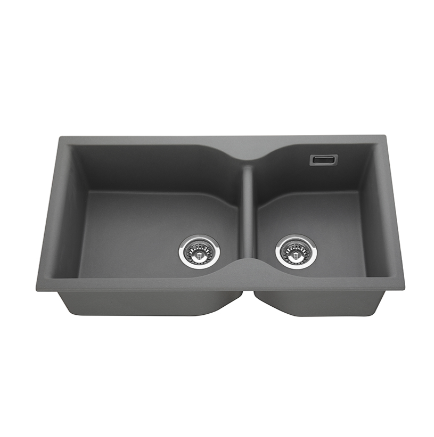
A single bowl sink usually follows a simpler drain path. A double bowl sink needs both bowls to connect into one working drainage system. That changes the way the pipes are arranged under the cabinet. Each bowl has its own drain opening, but the water flow still needs to meet correctly before it enters the trap and then the wall drain.
This is where many installation problems begin. If one side sits too high, if the pipe alignment is off, or if the slope is too weak, one bowl may drain slower than the other. In daily use, that becomes frustrating very quickly. People notice slow drainage, trapped food particles, or standing water long before they notice anything else about the sink.
That is why good plumbing is really about flow. The setup needs to be simple, direct, and easy to clean if maintenance is needed later.
Before the pipes go in, the sink layout should already make sense for the kitchen. A double bowl sink works best when the bowl proportions match real use. A 60/40 layout is popular because it gives one larger bowl for bigger cookware and one smaller bowl for rinsing, prep, or lighter washing. That balance also affects the plumbing space underneath, especially in cabinets where storage is limited.
Our product direction connects well here. A topmount quartz double sink gives the installer a familiar installation method while still offering a practical two-bowl structure. Because the sink itself already separates the workspace into two usable zones, the plumbing underneath has to preserve that convenience instead of making it harder to use. A sink can look well designed on top, but if the drain setup below is awkward, the overall experience still suffers.
In most double bowl sink installations, each bowl drains through its own basket strainer or drain fitting. These two drain outlets are then connected by a horizontal waste arm or a center outlet connection. From there, the water moves through a P-trap and then into the wall drain line.
The important point is that the two bowls must join the drain system at the right level. The connection should be aligned carefully enough that water can move out without pooling in the horizontal pipe. The trap should also stay accessible because kitchen sink plumbing always needs occasional cleaning over time.
That is why installers usually focus on three things: keeping the connection height correct, maintaining a clean slope, and leaving enough cabinet access for later service. A double bowl sink may look simple from above, but the working space below needs careful planning.
The position of the drains affects more than installation. It also affects how the sink feels in daily use. A good drain setup should let both bowls clear water in a steady way without noise, splashback, or slow movement. That matters in busy kitchens where people switch quickly between rinsing, soaking, and washing.
This is one reason buyers pay attention to sink structure as much as to appearance. A well-sized double bowl sink creates a better working rhythm, but only if the plumbing supports it properly. In larger residential kitchens, rental housing, and project supply, users expect the sink to feel easy from the first day. If one side drains poorly, the product impression changes immediately.
That is also why some buyers comparing sink categories may search related terms such as commercial double sink stainless steel when they are thinking about function, capacity, and workflow rather than just material. Even when the final choice is a quartz overmount sink, the buying logic often starts with the same question: can this sink handle real work smoothly?
Topmount double bowl sinks are often easier to work with during installation because the sink sits on the countertop cutout instead of mounting entirely from below. That makes fitment more direct in many kitchens and can simplify replacement work when the cabinet structure is already fixed.
For plumbing, this helps because the installer can focus on aligning the drain parts after the sink body is already sitting correctly in place. The sink edge also gives more flexibility during countertop integration, which is useful in both residential and project-based installations.
That matters for B-end buyers too. Products that are easier to install are usually easier to place across more markets. Importers, distributors, and OEM buyers often care about this because installation difficulty affects after-sales feedback almost as much as the sink itself.
The most common issue is uneven drainage between the two bowls. This usually comes from poor pipe alignment or a weak slope in the connecting section. Another issue is using fittings that take up too much cabinet space, leaving less room below for storage or making future cleaning more awkward.
Leaks are another obvious concern, but in many cases the leak does not come from the main drain line itself. It comes from rushed sealing at the basket strainers, slip-joint connections that are not tightened evenly, or movement in the assembly after installation. That is why careful fitting matters more than speed.
Odor problems can also appear when the trap is not installed correctly or when the horizontal waste section allows residue to sit too long. In kitchens, smooth drainage is not only about convenience. It is also about hygiene and easier maintenance later.
A double bowl sink is not only a plumbing point. It is part of the wider kitchen design. Material choice changes how the sink is positioned in the market and how buyers describe its value. Quartz brings a different kind of appeal from stainless steel. It gives a stronger visual presence, a cleaner modern look, and a more design-led direction for kitchens that want both function and style.
That is where our product has a clear place. A quartz overmount double sink with a 34-inch format and 60/40 bowl layout fits buyers who want practical washing space without moving into a purely industrial sink look. For distributors and project buyers, that creates a useful middle ground. The sink feels work-ready, but still suits modern home kitchens very naturally.
This also supports OEM and ODM discussions. Different markets may want different bowl ratios, colors, accessories, branding details, or packaging styles. A supplier who can support that kind of adaptation gives buyers more room to build a product line that fits local demand.
For importers, wholesalers, and private label sink buyers, plumbing compatibility is part of product value. They do not only ask whether the sink looks good. They also ask whether it installs smoothly, whether the drain setup is practical, and whether the product can be adapted for different market standards.
Another common concern is project fit. A sink may look attractive in a catalog, but if installers find the under-sink space difficult or the plumbing arrangement awkward, feedback becomes harder to manage. That is why buyers often prefer products that balance style, space, and installation practicality instead of pushing only one selling point.
Consistency matters too. If the sink size, cutout standard, or drain opening quality changes from one batch to the next, the installation experience also changes. In kitchen hardware supply, that kind of inconsistency is noticed quickly.
The best plumbing setup is the one that users do not have to think about every day. That usually means both bowls drain at a similar pace, the trap stays accessible, and the pipe layout avoids unnecessary turns. It also helps when the sink itself is easy to clean and gives enough bowl depth for real kitchen work.
A practical double bowl sink should support how people actually use the kitchen. One side may be used for washing, the other for rinsing. One side may hold prep items while the other handles cleanup. The plumbing should stay out of the way and let that flow happen naturally.
Plumbing a double bowl kitchen sink comes down to one main goal: both bowls should drain cleanly, evenly, and without creating maintenance trouble later. That means paying attention to the sink layout, the drain connection height, the slope of the waste line, and the accessibility of the trap underneath. When those parts are handled well, a double bowl sink becomes much easier to live with.
For buyers building a sink line or sourcing for residential and project markets, plumbing-friendly design is part of what makes a sink easier to sell and easier to support. If you are looking at double bowl sink options and want to discuss sizes, colors, OEM details, or market-ready configurations, feel free to contact us. We can help you review the product direction and support your sourcing plan with practical guidance.
Previous:

 Mobile Phone:
 Contact Now