Washing clothes in a sink is still a practical option when you only have a few items to clean, when fabric is too delicate for a machine wash, or when you need a quick solution while traveling, in a small apartment, or in a work setting. It may sound simple, but the sink you use makes a big difference. Space, depth, surface finish, and drainage all affect how easy the job feels.
A small basin can turn hand washing into extra work. There is not enough room to soak, rinse, or move fabric properly. A deeper and more open sink works better because it gives you enough space to wash without twisting the garment too hard. That is one reason workstation-style sinks have become more attractive in modern kitchens and utility spaces. They do more than handle dishes. They create a more flexible washing area for different daily tasks.
Not every clothing item belongs in a washing machine. Light knits, underwear, baby clothes, silk pieces, and small daily items are often easier to handle by hand. Some people also wash clothes in a sink because they want to deal with one stain right away instead of waiting for a full laundry cycle.
This is also common in smaller homes, studio apartments, offices, staff rooms, and temporary living spaces where a full laundry setup may not be the first priority. In those cases, the sink becomes a multi-use area. It is not only for food prep or dishwashing. It also supports simple cleaning tasks that need water, space, and easy drainage.
That is why sink design matters more than people think. If the basin is too shallow or too cramped, hand washing becomes awkward very quickly.
The easiest way to wash clothes in a sink is to begin with clean water, mild detergent, and enough room to move the fabric gently. The sink should be clean before anything goes in. If the item is delicate, lukewarm water is usually safer than hot water. Once the basin is filled, the fabric can soak briefly before light rubbing or pressing begins.
The process itself is simple, but the sink shape changes the experience. A single-bowl sink with more depth gives you better control because the garment can sit more naturally in the water. You are not fighting the corners of a cramped basin or forcing the fabric into a space that is too tight.
This is where a larger workstation sink feels more useful than a basic compact basin. It gives more room for rinsing, squeezing, and handling fabric without making the work feel forced.
When people wash clothes by hand, the biggest problem is often not the washing itself. It is the lack of space. Fabric needs enough room to open up in water. If the sink is too shallow, water splashes more easily. If it is too narrow, rinsing takes longer and the garment may not be cleaned evenly.
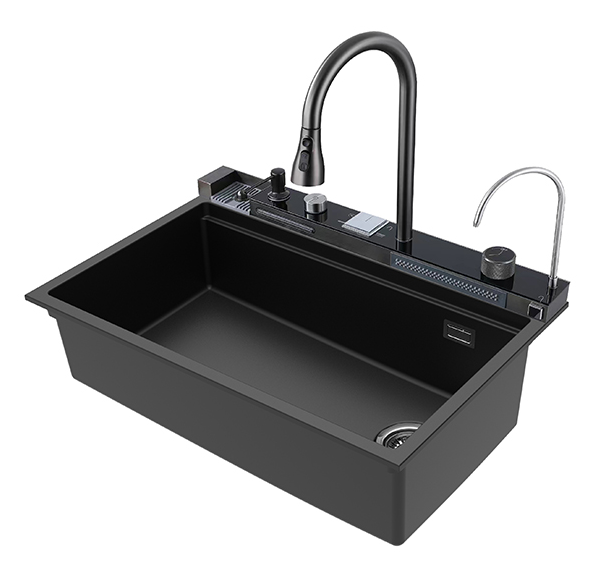
A deeper single bowl helps solve that. It allows the fabric to move more freely and gives users better control when soaking or rinsing small garments. That is one reason our product connects naturally to this topic. A black workstation sink with a spacious single-bowl layout supports more than standard kitchen use. It can also handle practical washing tasks that need a clean, durable, and more open sink area.
For buyers, this matters because modern sink demand is no longer limited to one function. End users increasingly prefer sinks that support several daily uses instead of only one fixed task.
The best way to wash clothes in a sink is to keep the process gentle and controlled. Start by filling the sink with water and adding a small amount of mild detergent. Place the clothing item into the water and let it soak for a few minutes. After that, move the fabric lightly through the water and rub only the areas that need extra attention, such as collars, cuffs, or spots.
Once the dirt is loosened, drain the sink and refill it with clean water. Rinse until the detergent is gone. Then press the water out gently instead of twisting too hard. A towel can help absorb extra moisture before the garment is left to air dry.
This is where a smooth sink surface helps. Hand washing is easier when the sink is simple to wipe clean afterward and does not leave the user dealing with trapped residue around the washing area.
When a sink is used for more than dishes, the surface matters more. Clothes, towels, baby items, and soft fabrics all come into direct contact with the basin. A smoother, cleaner-looking surface feels better for this kind of use and is easier to maintain after repeated washing.
Our product direction fits this kind of need well. A black workstation sink is positioned as a durable and practical sink for modern kitchens, with a single-bowl layout that supports easier cleaning and a stronger sense of usable space. That matters not only in residential settings, but also in places where sinks are expected to handle frequent washing tasks across the day.
For B-end buyers, this adds product value. A sink that looks premium but also supports broader real-life use is easier to position in both household and semi-commercial projects.
Some buyers search this topic from a household angle, but others look at it from a project or business angle. In utility rooms, staff kitchens, small hospitality spaces, rental units, and light-duty service areas, sink flexibility matters a lot. A basin that can support quick washing tasks beyond food prep often fits these environments better than a purely decorative sink.
That is also where the keyword commercial hand wash sink becomes relevant in buyer thinking. People comparing sink use cases often move between domestic and commercial requirements before deciding what kind of product fits their market best. They want something that looks modern, handles repeated use, and gives enough working room for practical washing.
A workstation-style single bowl can answer part of that demand because it combines everyday sink use with a more functional working area. That gives importers, distributors, and project buyers a broader selling angle when they build a sink range for different channels.
For wholesalers, importers, and private label buyers, the sink category is no longer just about shape and color. Buyers usually want to know whether the sink fits modern use habits, whether the surface is easy to maintain, and whether the size works well in actual kitchens. They also look closely at how easily the product can be positioned in different markets.
That is where OEM and ODM support matter. One market may want a darker sink tone with stronger utility appeal. Another may want a cleaner visual look for residential projects. Some buyers need logo customization, packaging changes, or dimension adjustments that match local installation habits. A supplier who can support those needs is much easier to work with over the long term.
Another common concern is whether the product still feels practical after installation. A sink may look attractive in a product photo, but if the basin feels too small or too shallow in daily use, the market response changes quickly.
The more useful a sink feels in daily life, the easier it is to sell. A sink that can rinse produce, wash dishes, clean cookware, and even handle light hand-washing tasks creates a stronger value story. End users see more function in one product, and buyers have more angles to present it.
This is one reason single-bowl workstation sinks continue to attract attention. They support a cleaner layout, offer more usable room inside the basin, and fit the way many people actually use the kitchen now. The sink is no longer just a fixed washing point. It becomes part of a more flexible work area.
That flexibility is also important in project supply. Buyers want products that fit more than one kind of customer, especially when building a sink collection for mixed channels.
Washing clothes in a sink is still a useful and practical habit when the item is small, delicate, or needs quick attention. The process is simple, but the sink itself changes how easy the work feels. A deeper and more open single-bowl sink makes soaking, rinsing, and handling fabric much more comfortable than a cramped basin.
For buyers looking at sink products with broader everyday value, that kind of flexibility matters. A sink that supports daily kitchen use and light hand-washing tasks gives the product a stronger place in modern homes and project spaces. If you are planning a sink line and want to discuss styles, sizes, OEM details, or market-ready options, feel free to contact us. We can help you review the direction and support your sourcing plan with practical guidance.
Previous:

 Mobile Phone:
 Contact Now