Replacing a kitchen sink sounds like a basic upgrade, but in real kitchens it is usually tied to three bigger concerns: fit, installation accuracy, and long-term use. Many sink problems do not begin after months of use. They begin on installation day, when the cutout is wrong, the cabinet space is tighter than expected, or the new sink simply does not match the way the kitchen is used. That is why people searching how to replace and install a kitchen sink? are often looking for more than step-by-step instructions. They want to avoid ordering mistakes and get a sink that works well after installation.
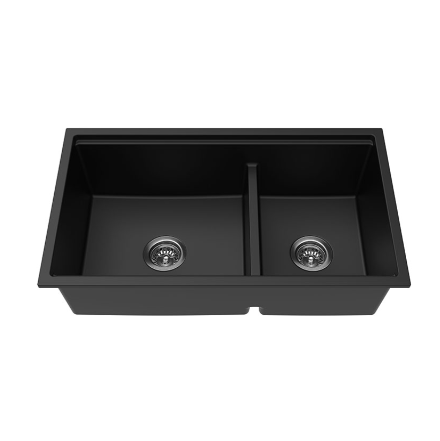
Our product is a black quartz double bowl Undermount Sink. It is sized at 33 × 19 × 10 inches and built in a double-bowl format, which makes it a practical example for this topic. A sink like this is not only about style. It also changes how installation is handled, because undermount fitting, cutout alignment, and cabinet support all need to be checked more carefully than with many standard drop-in options.
A sink replacement usually starts for one of two reasons. The old sink is worn, scratched, stained, or no longer matches the kitchen design. Or the user wants a more practical layout, such as moving from a single-bowl setup to a double-bowl one for better task separation.
For project buyers, wholesalers, and contractors, the issue is broader. A replacement sink has to match the cabinet, countertop, drain layout, and installation method without creating extra site work. That is why sink replacement should never be treated as only a product swap. In many cases, the sink itself is not the difficult part. The difficulty comes from matching dimensions, installation type, and countertop cutting before the job begins.
This is especially true for undermount sinks. They offer a cleaner visual result and make countertop cleaning easier, but they also require more accurate preparation. If the measurements are careless, the installation can quickly become expensive and time-consuming.
Before removing the old sink, the first job is to understand what is already in place. The installer should check the cabinet width, the countertop material, the current cutout size, faucet hole arrangement, and drain position. This step often reveals whether the new sink can be installed directly or whether some adjustment will be needed.
In many kitchens, the countertop opening becomes the key factor. If the new sink is larger, smaller, or shaped differently, the cutout may need to be reworked. That is one reason accurate sink dimensions matter so much. Our sink uses a 785 × 430 mm undermount cutout with R10 corners. That means the installer cannot rely only on the outside size of the sink. The cutout dimensions must also be checked before final replacement planning.
Another thing to confirm is the internal cabinet space. A sink may look suitable from above, but the real limitation is often below the counter. Plumbing lines, support rails, and mounting hardware all need room.
The removal process should begin with shutting off the water supply and disconnecting the drain assembly. After that, the faucet lines and any accessories fixed to the sink area should be removed carefully.
For topmount sinks, the old unit is usually released from clips or sealant at the rim. For undermount sinks, removal can be more demanding because the sink is fixed below the countertop with clips, support brackets, adhesive, or a combination of these. In stone countertop kitchens, extra care is needed because aggressive removal can damage the underside of the countertop.
Once the sink is removed, the mounting surface should be cleaned thoroughly. Old adhesive, silicone, dirt, and water residue can affect the fit of the new sink. A clean surface makes it easier to seat the new sink evenly and avoid alignment problems later.
This is the stage where many installation mistakes can still be avoided. The installer should confirm the outside dimensions, bowl depth, cutout size, and cabinet compatibility again before the new sink is fixed in place.
Our sink is a double-bowl quartz undermount model with an overall size of 838 × 482 × 451 mm. That gives buyers a larger working area than a compact sink, but it also means the cabinet and plumbing space have to be checked properly. The undermount cutout size is smaller than the full sink size, which is exactly why the replacement process needs more attention than a simple visual match.
For B-end buyers, this is an important point. A sink with strong visual appeal may still create installation issues if its cutout or bowl dimensions do not align with the project standard. Good replacement planning reduces rework, protects countertop material, and lowers the risk of installation delays.
With the measurements confirmed, the new sink can be positioned for installation. For an undermount sink, the body is fixed below the countertop so that the countertop edge remains clean and uninterrupted. This creates a more integrated appearance and makes it easier to wipe debris directly into the sink.
The installer should check that the sink sits evenly against the underside of the countertop and that the mounting hardware supports the weight securely. Because quartz sinks are heavier than many light metal alternatives, support matters. The mounting points need to hold the sink evenly rather than forcing pressure into one area.
After the sink is secured, the drain assembly and plumbing connections can be installed. At this stage, it is worth checking not only for leaks, but also for working clearance. In double-bowl sinks, the plumbing arrangement can become tighter than in single-bowl models, so a clean layout below the sink is important for long-term servicing.
When people think about replacing a sink, they often focus first on material or color. In practice, bowl configuration matters just as much. A double-bowl sink changes daily workflow and also changes installation planning.
Our sink uses a double-bowl layout, which gives users better task separation. One side can be used for food preparation or rinsing produce, while the other can handle dishes or soaking items. For many kitchens, this is more practical than forcing all tasks into one basin.
From an installation point of view, a double-bowl undermount sink may require a little more attention because the internal structure and drainage arrangement are more complex than a simple single-bowl design. But for many buyers, that extra planning is worth it because the working result in the kitchen is much better after the replacement is complete.
Material affects both installation and long-term satisfaction. Quartz sinks are often chosen because they combine a strong visual finish with practical resistance to scratches, stains, and heat. That matters in replacement work because buyers usually want the new sink to solve more than one problem at once. They want a better look, but they also want a surface that stays presentable under daily kitchen use.
A black quartz finish also changes the visual character of the sink area. Instead of blending into the background like standard stainless steel, it creates a stronger focal point. In renovations, that can be a real advantage because replacing the sink becomes part of refreshing the whole kitchen without requiring a full redesign.
For B-end buyers, this also helps with product positioning. A quartz undermount sink is easier to present as a functional upgrade rather than just a replacement item.
One of the most common mistakes is assuming the old cutout will automatically suit the new sink. Another is checking only the outside dimensions and ignoring the actual undermount opening. Some buyers also forget to confirm cabinet clearance and end up with a sink that technically fits the countertop but creates trouble below.
Another frequent issue is underestimating installation type. A topmount sink and an undermount sink may seem similar in basic dimensions, but they behave very differently in actual fitting. The cleaner look of an undermount sink is a strong benefit, but it depends on accurate mounting and proper support.
These are the details that often separate a smooth project from a frustrating one. The sink itself may be high quality, but if the preparation is careless, the final result will still disappoint.
So, how to replace and install a kitchen sink? The process starts with checking the old setup carefully, then confirming the new sink dimensions, cutout, cabinet fit, and installation method before the old unit is removed. After that, the real job is making sure the new sink sits securely, aligns cleanly with the countertop, and works properly with the drain and cabinet space.
A black quartz Double Bowl Undermount Sink is a strong choice for buyers who want more than a simple replacement. It gives the kitchen a cleaner look, more organized washing space, and a more durable surface for everyday use. If you are comparing sink options or need help checking size, cutout, or installation suitability for your project, feel free to contact us. We can help you review the details and offer practical guidance before you place an order.
Previous:

 Mobile Phone:
 Contact Now