Measuring a kitchen sink may look like a simple step, but in real projects it often decides whether installation goes smoothly or turns into a problem. Many issues do not come from the sink itself, but from small measurement differences that were overlooked at the beginning. That is why people searching How To Measure Kitchen Sink? are usually trying to avoid costly mistakes before placing an order.
Our product is a quartz single bowl Undermount Sink, with an overall size of 710 × 450 × 205 mm and a matching cutout size of 658 × 398 mm with rounded corners. These two dimensions already show one important point: what you see on the outside is not the same as what needs to be cut into the countertop. Understanding that difference is the first step to getting measurements right.
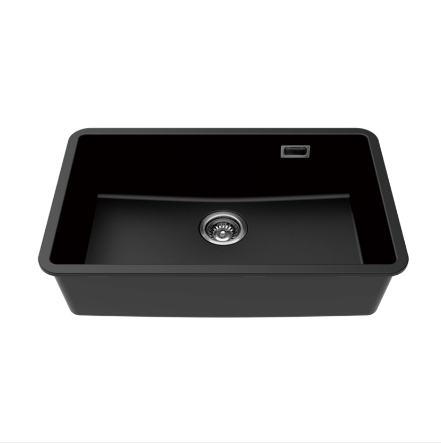
In kitchen projects, the sink is closely connected to the cabinet, countertop, and plumbing system. Once the countertop is cut, there is very little room for adjustment. If the sink size does not match, it often leads to delays, extra labor, or even material waste.
For wholesalers and project buyers, this is a common source of trouble. A sink that looks standard on paper may still not fit the real installation environment. That is why measuring is not just about checking size. It is about making sure everything works together before production and installation begin.
The first thing to check is the full outer size of the sink. This tells you whether the sink can physically fit into the cabinet space and whether there is enough room for mounting and plumbing.
Our product measures 710 × 450 × 205 mm. This number should always be compared with the internal cabinet dimensions, not just the countertop surface. Many people assume that if the sink fits the top, it will fit the cabinet. In reality, the space underneath is often more limited due to pipes and support structures.
The next step is to focus on the cutout size. This is the opening that needs to be made in the countertop for the sink to sit properly underneath.
For our sink, the cutout size is 658 × 398 mm with R15 corners. This is smaller than the outer size, and the difference is what allows the sink to be mounted securely. If the cutout is too large, the sink may not have enough support. If it is too small, installation becomes difficult or impossible.
This step is especially important for quartz or stone countertops, where cutting errors are hard to fix once completed.
Depth is another detail that is often underestimated. It directly affects how the sink performs in daily use.
With a depth of 205 mm, our sink provides enough space for washing larger cookware while helping reduce water splashing. For buyers, depth should always be considered together with cabinet height and drain position. A deeper sink offers more usability, but it also requires enough space underneath.
In many cases, the cabinet determines what size sink can be used. Before making a final decision, it is important to measure the internal cabinet width and check the available space for installation.
Undermount sinks need proper support because they are fixed below the countertop. That means the cabinet and the surrounding structure must be able to handle both the weight and the installation method. Skipping this step often leads to unexpected adjustments during installation.
single bowl undermount sinks are often easier to measure and install because they have a simple shape and fewer alignment points. This makes them a practical choice for both residential and project applications.
Our sink also uses rounded internal corners, which makes cleaning easier and helps prevent dirt buildup. While this does not change the measurement process, it improves the overall user experience after installation.
For B-end buyers, measuring a sink is not just about getting one project right. It is about choosing a product that works consistently across different installations.
They usually look for clear and reliable dimensions, stable quality, and compatibility with common cabinet sizes. A sink that fits well reduces installation issues and makes the product easier to promote in the market.
Material is also an important factor. Quartz sinks are often chosen because they are durable, resistant to stains and scratches, and suitable for long-term use in different environments.
One common mistake is confusing the outer size with the cutout size. Another is measuring only the top surface without checking the space below the sink. Some buyers also forget to consider the space needed for mounting clips and plumbing.
These problems usually appear during installation, which is why they can be expensive to fix. Taking the time to confirm each measurement in advance helps avoid unnecessary trouble later.
So, How To Measure Kitchen Sink? The key is to check the outer dimensions, confirm the cutout size, and make sure the depth and cabinet space match the installation requirements. These steps are simple, but they make a big difference in real projects.
If you are selecting a quartz undermount sink and want to be sure the size fits your project, feel free to contact us. We can help you review the measurements and provide practical suggestions before you place your order.

 Mobile Phone:
 Contact Now