The good news is that keeping a kitchen sink clean does not need to be complicated. In most homes, the best results come from a simple routine done consistently rather than from strong chemicals or aggressive scrubbing. This is especially true for quartz kitchen sinks and apron front styles, where appearance matters just as much as hygiene. A sink should not only be sanitary enough for daily use, but also continue to look neat as part of the overall kitchen design.
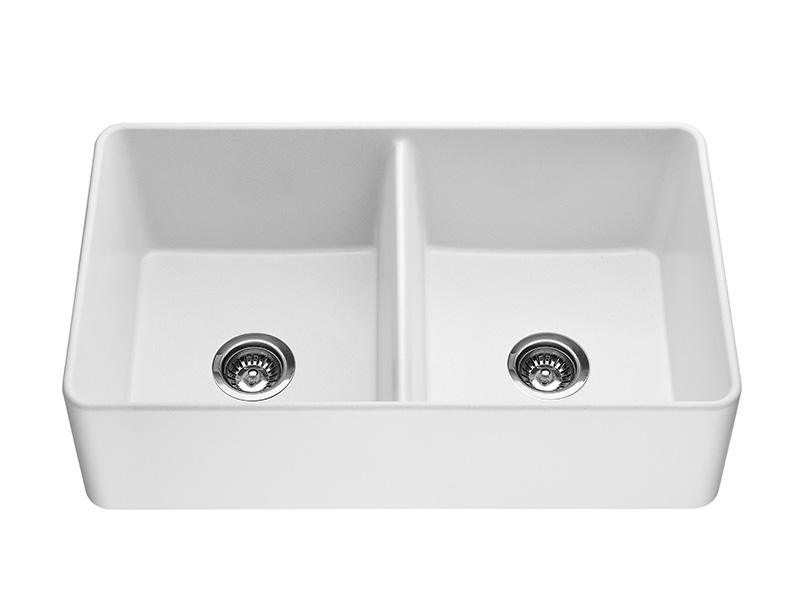
Many people only clean the kitchen sink when it starts to look dirty. In practice, that is usually too late. By the time visible stains appear, soap residue, grease film, and food particles have already had time to settle on the surface. Once that buildup hardens, cleaning becomes more difficult and the sink can lose its fresh, smooth look.
Daily cleaning matters because the sink is exposed to several types of residue at once. Cooking oils leave a thin layer that catches dust and food particles. Coffee, tea, sauces, and fruit juices can leave marks if they stay too long. Mineral deposits from water can dry into a cloudy film near the drain or around the bottom of the bowl. None of these problems are dramatic at first, but together they make a sink look older than it really is.
A quick clean at the end of the day usually prevents that cycle. It also makes deep cleaning much easier later. Instead of fighting heavy buildup once a week, you are only maintaining a surface that is already in good condition.
The safest way to clean a kitchen sink is also the most effective for regular use. Begin by rinsing away loose food particles with warm water. Then use a soft sponge or cloth with mild dish soap to wipe the full sink surface, including the bowl walls, base, corners, and the area around the drain opening. This removes fresh residue before it dries and keeps the finish looking even.
What matters here is consistency. A sink that is wiped daily does not usually need harsh treatment. The smoothness of the surface stays easier to maintain, and the risk of heavy staining drops significantly. After washing, rinse the soap away fully and dry the sink with a clean cloth. That last step is often overlooked, but it helps reduce water spots and leaves the surface looking brighter.
For Apron Front Sinks, the front exposed panel should also be cleaned as part of the same routine. Because it is visible from across the kitchen, marks on the front face are often noticed sooner than marks inside the bowl. Wiping that surface regularly keeps the whole sink area looking cleaner and more finished.
Grease is one of the main reasons a kitchen sink stops looking fresh. It does not always appear as a thick visible layer. Often it starts as a light film left behind by washing pans, plates, or cooking tools. Once that film mixes with dust or soap residue, the surface can begin to look cloudy or feel slightly sticky.
The best way to deal with grease is to remove it early with warm water and a mild cleaner. Letting hot water run briefly before wiping can help loosen the film. Then clean with a soft cloth, paying extra attention to the bowl bottom and the sides just above the drain, where residue tends to settle. If grease has already built up, repeat the process rather than switching immediately to a stronger cleaner.
This gentler approach protects the sink surface while still restoring a cleaner look. In daily use, grease control is less about one intense cleaning session and more about preventing residue from staying in place too long.
Not every mark on a sink needs the same treatment. Some stains come from food color, some from standing water, and some from residue left by utensils or cookware. The first step is to identify whether the mark is on the surface or has built up as a deposit. If it is only a surface stain, a mild cleaner and a non-abrasive sponge are usually enough.
For slightly more noticeable marks, it helps to let the cleaning solution sit for a short time before wiping. This gives the residue time to soften without forcing you to scrub too hard. A common mistake is trying to remove every stain through pressure. That often does more harm than good, especially on decorative kitchen surfaces where appearance matters over the long term.
Patience works better than force. A sink that is cleaned gradually and correctly usually recovers its clean appearance without leaving dull patches behind. The goal is not just to erase the stain, but to keep the entire bowl looking even afterward.
The drain area is where most kitchen sink hygiene problems begin. Small food particles collect there easily, and moisture stays longer around the fitting than on the wider sink surface. Even when the rest of the bowl looks clean, the drain edge can still hold residue that affects odor and appearance.
A good cleaning routine should include the drain opening every time. Use a soft brush or sponge to clean around the drain flange, where food scraps and soap buildup tend to stay trapped. Rinse thoroughly so loosened debris does not settle back into place. This simple step improves both cleanliness and smell.
For deeper maintenance, the drain should be flushed regularly with warm water to move away grease and light residue before it builds up inside the pipe. This is especially helpful in busy kitchens where the sink is used many times each day. A fresh drain area makes the whole sink feel cleaner, even before the bowl is fully dried.
One of the quickest ways to damage a kitchen sink is to use the wrong cleaning method in the name of deep cleaning. Metal wool, sharp-edged scrubbers, and highly abrasive powders may seem effective in the moment, but they can leave the surface looking tired over time. Once a finish loses its smooth visual consistency, the sink becomes harder to keep looking clean.
Strong chemicals can also create unnecessary risk when used too often. In many kitchens, they are not needed for routine care at all. Mild soap, warm water, and a soft cloth handle most daily cleaning needs well. When a stronger treatment is needed, it should still be chosen carefully and used with surface protection in mind.
The safest habit is to treat the sink as a visible kitchen surface, not just as a utility basin. That mindset leads to better cleaning choices and helps preserve both hygiene and appearance.
A clean sink can still look untidy if water is left to dry on the surface. Mineral traces in tap water often leave light spotting, especially near the drain area and on the lower sides of the bowl. In darker sink colors, this can become noticeable very quickly.
Drying the sink after cleaning is one of the simplest ways to improve its appearance. A soft microfiber cloth usually works well because it removes leftover moisture without being rough. This small finishing step makes a visible difference, especially in modern kitchens where the sink is part of the overall visual style rather than just a washing zone.
For large farmhouse or apron front sinks, drying also helps maintain a more uniform look across the full visible area. It gives the sink a cared-for appearance and reduces the need for frequent heavy cleaning later.
Even with good daily care, a kitchen sink benefits from a more thorough clean on a regular schedule. This does not need to be complicated. The purpose of weekly cleaning is to reach the areas that daily wiping may miss and to remove the early signs of buildup before they become obvious.
A weekly routine usually includes cleaning the full bowl more slowly, checking the corners and edges, wiping the apron front carefully, and giving extra attention to the drain zone. It is also a good time to look at the sink in natural light. That makes it easier to spot dull areas, light stains, or film that may not be obvious during a quick evening wipe-down.
This kind of routine is practical because it supports long-term appearance. It keeps the sink presentable in everyday use and reduces the chance that maintenance becomes a bigger project later.
Different kitchen sinks respond differently to daily use, and cleaning should reflect that. A quartz kitchen sink is often chosen because it combines a solid appearance with practical everyday performance. An apron front design adds a more visible architectural feature, which means cleaning habits affect not only sanitation but also how the kitchen looks as a whole.
That is why product-friendly care matters. Gentle routine cleaning, proper rinsing, and drying after use are more valuable than occasional harsh treatment. In real kitchens, long-term beauty usually comes from controlled habits rather than extreme cleaning methods. A sink that is maintained correctly keeps its color, surface clarity, and overall presence much better.
For homeowners, builders, and buyers comparing sink options, easy maintenance is often just as important as bowl size or shape. A sink should support everyday work while staying easy to clean in a realistic home routine.
Knowing how to clean kitchen sink surfaces properly is less about using strong products and more about building the right habits. Daily wiping, regular rinsing, careful stain removal, gentle drain cleaning, and drying the surface after use all help keep the sink looking clean and working well. When these steps become part of a normal kitchen routine, the sink stays easier to maintain and far more presentable over time.
If you are choosing a new kitchen sink or want practical advice on caring for quartz apron front models, feel free to contact Quartzstarsink. We can help you understand product details, maintenance points, and suitable sink options for different kitchen projects, so you can make a more confident choice for long-term use.
Previous:

 Mobile Phone:
 Contact Now