Removing an Undermount Sink looks simple from above, but the sink is usually held in place by a combination of silicone adhesive, mounting clips, rails, or a support frame beneath the countertop. If you remove it the wrong way, you can crack stone, chip the cutout edge, damage plumbing, or deform the sink rim. This guide explains how to remove an undermount sink step by step, with practical details for different mounting styles and countertop materials, so you can complete the job cleanly and prepare for reinstallation or replacement.
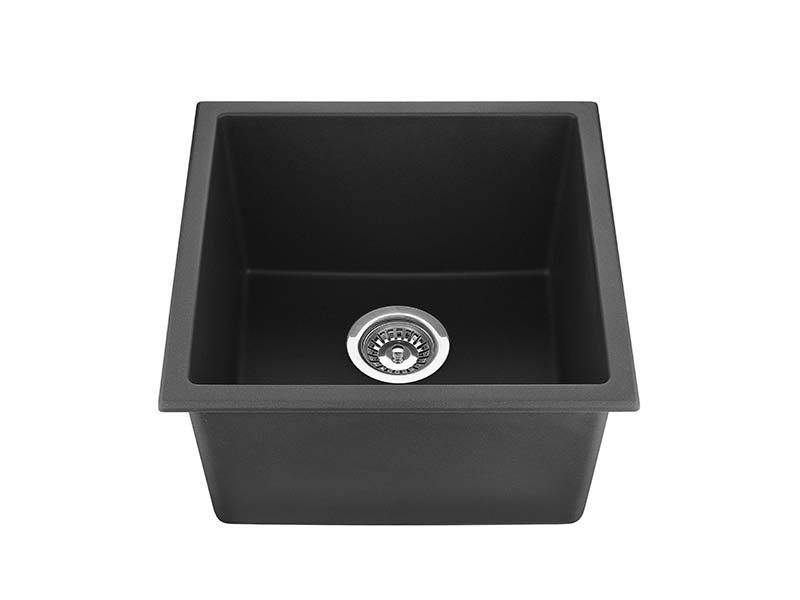
Most Undermount sinks are mounted under granite, quartz, marble, or solid surface countertops. The sink flange is sealed to the underside of the countertop cutout with silicone, and then supported mechanically.
Common support methods include:
Mounting clips anchored into the countertop or into inserts
Brackets or rails attached to cabinet side panels
A full sink frame that carries most of the weight
A mix of clips plus a bead of high-strength adhesive
Before removing anything, look inside the cabinet with a flashlight and identify what type of support you have. Also check whether a garbage disposal is installed, because it adds weight and affects how you should lower the sink.
Prepare your tools first so you do not pause mid-removal while the sink is partially unsupported.
Adjustable wrench and channel-lock pliers
Bucket and towels for residual water
Utility knife and a flexible putty knife
Oscillating multi-tool with a scraper blade if available
Screwdriver or nut driver for clips and brackets
Painter’s tape to protect cabinet edges
Wood blocks or a small support jack to hold the sink during removal
If your countertop is stone, avoid metal prying directly against the cutout edge. Use plastic wedges or a putty knife and work slowly.
Start by clearing the cabinet and placing a bucket under the P-trap.
Turn off the hot and cold shutoff valves.
Disconnect the faucet supply lines if they prevent access or if you are replacing the faucet.
Loosen the slip nuts on the P-trap and drain connection, then remove the trap section.
If you have a garbage disposal, unplug it or turn off the circuit, then disconnect the dishwasher hose and disposal drain as needed.
Let the lines drain into the bucket and wipe the area dry. Keeping the cabinet dry reduces slipping and makes it easier to see the hardware.
An undermount sink can drop suddenly once the last clip is removed. Support it first.
Place wood blocks under the sink bowl or use a small jack. The goal is to hold the sink in position with light upward pressure so it does not fall when you loosen hardware. If you have a heavy sink or a disposal, consider having a second person steady it during the final steps.
Once the sink is supported, remove mechanical fasteners.
For clip systems, use a nut driver or screwdriver to loosen each clip gradually rather than removing one completely at a time.
For rail or bracket systems, loosen the rail screws evenly from both sides so the sink does not twist.
For frame systems, identify how the frame is attached to the cabinet and remove the frame fasteners last, after the seal is released.
If you see corrosion on fasteners, apply penetrating oil and allow it to work before forcing the screw. Stripped fasteners create delays and can cause accidental countertop damage.
After the clips are loose or removed, the sink may still feel firmly attached because silicone can bond strongly over time.
Run a utility knife along the seam where the sink flange meets the underside of the countertop. Then insert a flexible putty knife to separate the silicone bead. Work slowly around the perimeter and repeat passes rather than forcing a deep cut in one attempt.
For older installations with thick silicone, an oscillating multi-tool with a scraper blade can speed up removal, but keep the blade flat to avoid gouging the countertop underside.
This step is the core of safe undermount sink removal because most countertop damage happens when someone pries instead of cutting the seal.
Once the silicone seal is cut, lower the sink a small amount and check for any remaining clips or adhesive points. If it still holds, stop and re-check the perimeter for missed silicone.
When the sink is free:
Lower it slowly onto the support blocks
Remove any remaining hoses or attachments
Tilt the sink and guide it out through the cabinet opening
If the cabinet opening is tight, remove the doors for extra clearance. For large single-bowl sinks, you may need to rotate the sink diagonally to clear the face frame.
After the sink is removed, clean the old silicone from the underside of the countertop and from the sink flange if you plan to reuse it.
Use a plastic scraper and a silicone remover suitable for your countertop material. Avoid harsh solvents on engineered stone unless the manufacturer allows it. The cleaner the surface, the stronger and neater the new seal will be during reinstallation.
If the sink will not release after clips are removed, the silicone bead is not fully cut. Focus on the corners, where adhesive often builds up.
If the countertop edge starts to chip, stop prying immediately and switch back to cutting and scraping. Chipping usually means too much force is being applied at the cutout edge.
If the sink drops unevenly, it is likely still attached at one point. Raise it slightly, re-support it, and inspect the perimeter again before continuing.
Use this table as a quick checklist before and during removal.
| Step | Risk If Skipped | What To Do Instead |
|---|---|---|
| Disconnect power for disposal | Shock or accidental start | Unplug or switch off breaker first |
| Support sink before hardware removal | Sink drops and damages cabinet or plumbing | Use wood blocks or a jack |
| Cut silicone fully | Countertop chipping from prying | Use knife plus flexible scraper |
| Remove clips evenly | Sink twists and binds | Loosen in sequence around perimeter |
| Clean old silicone | Poor reseal and future leaks | Scrape clean and dry surfaces |
If you are removing a sink because of wear, staining, or a remodel, confirm cabinet and cutout compatibility before ordering a replacement. A new sink with a different rim width or corner radius can require countertop modification, which is best handled by a professional fabricator.
For project replacements and new installations, you can browse ROCKY options on our undermount sink collection. Keeping product specifications aligned with your cutout and support method can reduce labor time and rework.
Including the keyword undermount sink removal in your internal work notes can also help keep your team aligned on scope and procedure, especially when multiple trades are involved.
Removing an undermount sink is a controlled process, not a pry-and-pull job. The safest approach is to shut off water and power, disconnect plumbing, support the sink, remove clips or brackets evenly, and carefully cut the silicone seal until the sink releases cleanly. Taking time on the silicone separation step is the best way to avoid cracking or chipping the countertop.
If you are planning a replacement and want to confirm sizing, mounting compatibility, or the best option for your countertop and cabinet setup, you can reach out to ROCKY. Share your basic measurements and photos of the mounting area, and we can provide practical guidance to help your project move forward smoothly.
Previous: What Is Single Bowl Sink ?

 Mobile Phone:
 Contact Now